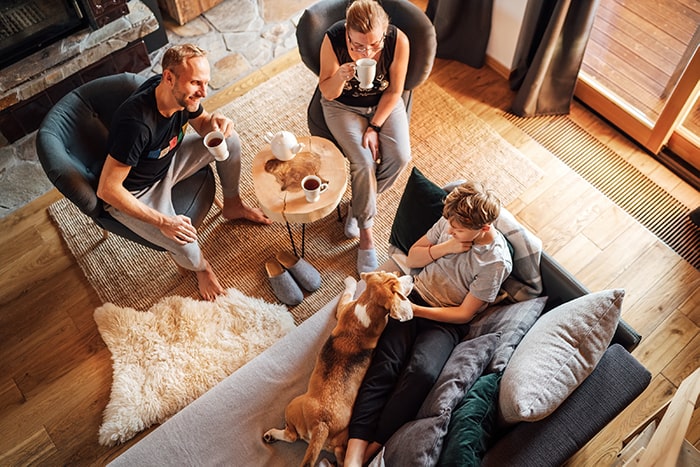
Creating a meaningful Lifestyle is more than shaping daily routines. It involves aligning habits, decisions, values, and long-term goals in a way that supports personal growth, emotional balance, and physical wellbeing. Many people believe lifestyle choices are only about diet, exercise, or productivity, but the most sustainable approach considers the entire structure of a person’s life. When individuals understand how their environment, mindset, relationships, and behaviors work together, they gain the clarity required to design a lifestyle that supports fulfillment. A well structured Lifestyle makes room for both discipline and enjoyment while ensuring the path ahead feels purposeful instead of chaotic.
A high quality lifestyle is intentional. People who live purposefully evaluate how each action influences the broader picture. They focus on habits that add value, reduce behaviors that drain mental energy, and design systems that help them stay grounded. Instead of reacting to life, they build a personal framework that guides daily behavior and supports long term goals.
What Defines a High Quality Lifestyle
A lifestyle is defined by repeated choices rather than occasional decisions. It reflects how individuals spend their time, how they respond to challenges, and what they prioritize. When the core elements of life work in harmony, people experience stronger emotional stability and a greater sense of control.
Core components of a strong lifestyle
A lifestyle rooted in long term wellbeing usually includes:
- A structured daily routine that reduces stress
- A healthy relationship with work and personal responsibilities
- Intentional habits that support mental and physical health
- Clear values that influence decisions
- Consistent efforts to grow emotionally and intellectually
- A supportive social environment
These components work together to create stability. Without a foundation, life becomes reactive and disorganized, which often leads to burnout, anxiety, or dissatisfaction.
The Role of Values in Shaping Lifestyle Choices
Values influence every major decision. People make healthier choices when they understand what they want their life to represent. Values serve as a filter that clarifies priorities and reduces confusion.
Identifying personal values
To build an effective lifestyle, individuals must recognize what matters most. This might include:
- Contribution to community
- Health and energy
- Creativity
- Family and connection
- Learning and growth
- Independence and flexibility
Once values are clear, it becomes easier to say yes to the right opportunities and no to distractions.
Using values to guide daily actions
Values do not matter unless they shape behavior. For example, someone who prioritizes health will create time for movement and nourishing meals. Someone who values learning will engage in reading, skill development, or thoughtful discussions. When actions reflect values, individuals experience stronger alignment and less internal conflict.
Building a Lifestyle That Supports Mental Wellbeing
Mental wellbeing is essential to a stable lifestyle. Stress, overwhelm, and emotional imbalance can disrupt even the best routines. Designing daily habits that protect mental health gives individuals the resilience needed to navigate challenges.
Establishing emotional balance
Emotional balance does not mean ignoring negative feelings. It involves managing emotions through:
- Self awareness practices
- Healthy communication skills
- Stress reduction techniques
- Thoughtful responses to triggers
- Time spent in restorative activities
These habits strengthen emotional endurance.
Creating environmental calm
A cluttered or chaotic environment creates mental friction. People benefit from organizing their living and work spaces so they feel calm, clear, and focused. A supportive environment is one of the strongest predictors of consistent habits.
Limiting emotional drainers
Some stress is unavoidable, but many sources of tension come from:
- Overcommitment
- Unclear boundaries
- Toxic interactions
- Poor scheduling habits
- Constant digital stimulation
Reducing these factors allows individuals to maintain mental clarity and emotional stability.
Physical Health as a Core Element of Lifestyle
A person’s physical state affects their energy, motivation, and capacity for productivity. Strong physical habits are fundamental to a healthy lifestyle.
Movement patterns that support health
Regular movement improves cardiovascular health, increases energy, and stabilizes mood. It can include a mix of:
- Strength training
- Walking or light aerobic exercise
- Flexibility and mobility work
- Activities that bring enjoyment such as dancing or recreational sports
Physical activity becomes more effective when it fits naturally into daily life.
Nourishment and long term vitality
Food influences hormone balance, cognitive clarity, and emotional stability. People benefit from eating whole foods, balanced nutrients, and consistent meals that support steady energy levels. Meal planning, mindful eating, and understanding hunger cues help maintain healthier habits.
Rest and recovery
Sleep is a cornerstone of lifestyle quality. Adequate rest helps the brain process emotions, improves decision making, and boosts immunity. Establishing a calming nightly routine supports deeper, more restorative sleep.
Time Management and Lifestyle Design
People often fail to achieve lifestyle goals because their time is unstructured. Effective time management creates space for meaningful activities rather than letting obligations dominate the day.
Creating a realistic schedule
A beneficial schedule:
- Supports consistent routines
- Reduces decision fatigue
- Includes flexible time for unexpected tasks
- Provides space for rest, creativity, and social connection
Schedules should feel supportive, not restrictive.
Prioritization techniques
Not all tasks carry equal importance. Effective prioritization involves identifying:
- High impact tasks
- Time sensitive commitments
- Long term goals
- Low value obligations
Shifting energy toward meaningful tasks improves productivity and reduces stress.
Building systems instead of relying on motivation
Motivation fades, but systems create consistency. Examples include:
- Habit tracking
- Morning and evening routines
- Organized workspaces
- Meal planning strategies
- Pre-scheduled exercise times
Systems reduce the mental effort required to make healthy decisions.
Social Environment and Relationship Influence
Relationships significantly affect lifestyle quality. Supportive environments help individuals thrive, while negative interactions drain energy and lead to emotional exhaustion.
Building strong social connections
High quality relationships involve:
- Mutual respect
- Shared values
- Honest communication
- Encouragement and accountability
- Emotional safety
These bonds provide stability and comfort.
Setting boundaries
Boundaries protect emotional health. They help individuals:
- Avoid overcommitment
- Limit exposure to negativity
- Maintain healthy expectations
- Communicate needs clearly
Boundaries are a skill, not an instinct, and they strengthen with practice.
Creating community involvement
Participation in community activities provides belonging and purpose. Whether through volunteering, group events, or local programs, community involvement enriches lifestyle quality.
Personal Growth as a Lifelong Lifestyle Element
Growth adds depth to life. When people challenge themselves, they strengthen confidence, curiosity, and adaptability.
Intellectual development
Learning new skills stimulates cognitive function and improves problem solving. Activities that support intellectual growth include:
- Reading
- Online or in person courses
- Discussions with knowledgeable individuals
- Creative thinking exercises
Emotional maturity
Emotional maturity develops through:
- Self reflection
- Conflict resolution skills
- Honest self evaluation
- Healthy expression of emotions
This level of awareness improves relationships and personal fulfillment.
Professional advancement
Career growth enhances lifestyle stability. Individuals who invest in their professional development experience increased opportunities, stronger confidence, and financial stability.
Financial Structure and Lifestyle Stability
Money influences lifestyle choices, stress levels, and long term opportunities. A healthy financial structure supports independence and reduces anxiety.
Budgeting that reflects personal goals
A budget should be:
- Simple enough to follow consistently
- Aligned with long term goals
- Flexible enough to adjust for changes
- Focused on clarity rather than restriction
Saving for short and long term needs
Savings provide protection during unexpected events and help support major life milestones. They increase stability and reduce financial pressure.
Understanding personal spending patterns
People make better decisions when they understand their relationship with money. Identifying triggers for overspending or financial anxiety leads to healthier habits.
Creativity as a Lifestyle Enrichment Tool
Creativity increases joy, reduces stress, and improves mental clarity. It adds depth to life and supports emotional balance.
Creative expression
Activities like writing, drawing, music, or crafting allow individuals to explore identity and imagination.
Innovative problem solving
Creativity helps individuals approach challenges with flexibility. It enhances resilience and strengthens adaptability.
Making creativity a routine
Scheduling small creative sessions fosters consistency and prevents creative blocks.
Real Life Application of Lifestyle Design
Lifestyle design becomes powerful when applied consistently. Individuals who want long term change benefit from:
- Starting with small adjustments
- Tracking progress over time
- Observing emotional and physical responses
- Adjusting routines as circumstances evolve
- Maintaining patience during setbacks
Lifestyle changes compound, creating meaningful transformation.
Frequently Asked Questions
How long does it take to see improvements when changing lifestyle habits?
Most people notice changes within a few weeks, though deeper transformation may take several months. Consistency is more important than speed.
What should someone do if their current lifestyle conflicts with their long term goals?
They can begin by identifying what is misaligned, removing low value habits, and creating small routines that support their desired direction. Even minor adjustments can shift momentum.
How can a person stay consistent when life becomes stressful?
During stressful periods, simplifying routines helps maintain stability. Focusing on sleep, nourishment, and essential tasks keeps the foundation strong.
Are lifestyle changes harder as people get older?
Changes can feel more challenging due to established routines, but they remain completely achievable. Awareness and intentionality make transformation possible at any age.
What is the biggest indicator of an effective lifestyle?
A successful lifestyle brings clarity, stability, and fulfillment. When daily habits support emotional, physical, and mental wellbeing, the lifestyle is working.
If you’d like, I can also create a complementary guide or expand this into a downloadable resource.