






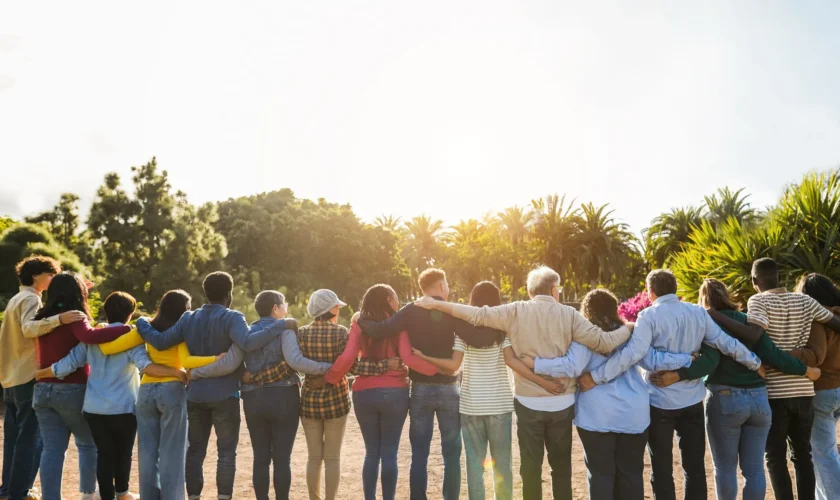
Society is more than a collection of individuals living within shared borders. It is a complex system of relationships, values, institutions, and expectations that guide human behavior. Every Society develops unique patterns that influence how people interact, what they believe, and how they pursue growth. These patterns shape laws, cultural traditions, education, economic development, and social norms. Understanding Society at a deeper level helps people make informed decisions, build stronger communities, and participate in meaningful change. The strength of any Society depends on how effectively it nurtures cooperation, justice, and opportunity.
Healthy societies do not evolve by accident. They emerge from intentional choices, shared experiences, and collective responsibility. When individuals understand how Society functions, they gain the ability to contribute rather than simply observe. In the early stages of development, Society influences identity, family roles, and economic opportunities. As individuals grow, they begin shaping the same Society that shaped them. This interaction creates a continuous cycle where progress depends on awareness, participation, and accountability.
Foundations of Society
The foundation of any Society is built on principles that provide order, connection, and predictability. Without structure, communities would struggle to maintain peace or support long term development.
Shared norms and values
Norms and values help people understand how to behave within their community. These expectations influence everything from communication styles to moral decisions. Common values often include:
- Respect for others
- Honesty in social and economic exchanges
- Responsibility within families and communities
- Cooperation for shared goals
- Integrity in decision making
When people follow shared values, trust becomes easier to build.
Social roles and responsibilities
Society relies on individuals fulfilling specific roles. These roles create balance and help communities function smoothly. Examples include:
- Leaders who make decisions for the broader good
- Educators who teach future generations
- Healthcare professionals who protect wellbeing
- Workers who support economic stability
- Families who nurture emotional development
Each role contributes to the overall health of Society.
Institutions that maintain order
Society depends on structured institutions to support fairness, growth, and daily functioning. These institutions include:
- Schools
- Legal systems
- Local and national governments
- Healthcare systems
- Community organizations
Institutions help maintain consistency and fairness across generations.
The Influence of Culture on Society
Culture plays a central role in shaping how Society works. It influences communication, beliefs, traditions, and identity.
Cultural identity
Cultural identity gives people a sense of belonging. It shapes how individuals view themselves and their place in the world. This identity is influenced by:
- Family traditions
- Language
- Religion or spiritual beliefs
- Social customs
- Shared history
A strong cultural identity helps unify communities while allowing individuals to appreciate their roots.
Cultural adaptation
As Society changes, culture must adapt. Technology, migration, and global communication influence cultural transformation. Successful adaptation allows Society to stay relevant while preserving valuable traditions.
Cultural expression
Art, music, storytelling, and celebrations provide a way for Society to express creativity and shared memory. These expressions strengthen community bonds and inspire new ideas.
Social Structure and How It Shapes Opportunities
Social structure refers to the way Society organizes its people. It divides responsibilities, power, and resources in a way that influences opportunities.
Social classes and mobility
Every Society has some form of social classification. While the structure varies, common factors include:
- Income level
- Education
- Occupation
- Family background
- Access to resources
Healthy societies support mobility, meaning individuals can improve their circumstances through effort and opportunity.
Equality and fairness
Fair societies aim to reduce barriers that prevent people from achieving success. This includes providing:
- Equal access to education
- Fair wages
- Legal protection
- Social support for vulnerable groups
Fairness creates a stronger and more collaborative Society.
Community networks
Community networks connect people with resources, emotional support, and shared values. Strong networks increase overall stability and resilience.
The Role of Education in Society
Education is one of the most powerful tools that shape the future. It influences economic development, innovation, and social awareness.
Building knowledge and skills
Education prepares individuals to participate fully within Society. It develops:
- Critical thinking
- Problem solving skills
- Social awareness
- Emotional intelligence
- Professional expertise
These skills help communities advance through innovation and collaboration.
Creating informed citizens
When individuals understand history, civic duties, and economic systems, they make informed decisions that support social progress.
Promoting lifelong learning
A strong Society encourages ongoing education. Lifelong learning improves adaptability and strengthens the workforce.
Economic Systems and Their Effect on Society
Economic systems influence how wealth is created, shared, and sustained within Society.
Distribution of resources
How resources are distributed affects quality of life. Fair distribution ensures communities have access to:
- Food and housing
- Healthcare
- Education
- Opportunities for upward mobility
Employment and productivity
Stable employment fuels economic growth. A productive workforce contributes to innovation, improved living standards, and community development.
Financial responsibility
Individuals and institutions must manage resources responsibly. When financial decisions are aligned with long term goals, Society becomes more stable and resilient.
The Importance of Social Responsibility
Social responsibility refers to the idea that individuals and organizations must contribute to the wellbeing of Society.
Personal responsibility
Every person influences the community around them. Responsible choices include:
- Respecting others
- Supporting family members
- Participating in civic duties
- Reducing harmful behaviors
Personal responsibility creates a foundation for social harmony.
Community involvement
Communities thrive when people volunteer, support local organizations, and engage in collective decision making. These actions strengthen social connections.
Ethical leadership
Leaders play a major role in shaping societal outcomes. Ethical leadership creates trust and inspires cooperation.
Conflict and Cooperation Within Society
Society depends on cooperation, but conflict is inevitable. What matters is how conflicts are resolved and how cooperation is strengthened.
Sources of conflict
Common sources include:
- Cultural differences
- Unequal access to resources
- Miscommunication
- Competing interests
- Economic pressure
Understanding these sources helps prevent unnecessary division.
Conflict resolution
Healthy societies use constructive methods to resolve disputes. These methods include:
- Open communication
- Negotiation
- Mediation
- Fair legal processes
Building cooperation
Cooperation grows through shared goals and collective responsibility. When communities work together, change becomes easier to achieve.
Technology and the Evolution of Society
Technology constantly transforms how people live, work, and communicate.
Improving access to information
Technology makes information widely available. This expands educational opportunities and encourages global awareness.
Changing work environments
Automation, digital tools, and remote work create new career paths while changing traditional industries. Society must adapt to ensure workers remain competitive.
Social connections in the digital age
Online platforms allow people to connect across long distances. While this creates new opportunities, it also requires guidance to protect mental health and privacy.
Environmental Responsibility Within Society
Environmental health affects the stability and longevity of Society.
Resource conservation
Conserving natural resources ensures long term sustainability. This includes responsible use of:
- Water
- Energy
- Land
- Raw materials
Understanding the link between environment and wellbeing
Pollution, climate shifts, and resource shortages directly affect public health and economic stability.
Community wide environmental action
Society benefits when communities work together to adopt environmentally friendly habits.
The Future of Society and Emerging Challenges
As Society evolves, new challenges and opportunities arise.
Growing global interconnection
International travel, digital communication, and cultural exchange strengthen global ties. This interconnection requires greater cooperation among nations.
Economic shifts
New industries replace old ones, creating both opportunities and instability. Societies must prepare workers for evolving job markets.
Changing family structures
Family roles change over time, influencing how children are raised and how adults share responsibilities.
Social justice movements
Movements that advocate fairness influence legal systems, cultural expectations, and community values.
Frequently Asked Questions
How does Society influence personal identity?
Society shapes identity through cultural traditions, social expectations, community values, and access to resources. These influences affect how individuals view themselves and interact with others.
Why do some societies develop faster than others?
Development varies based on factors such as education quality, economic stability, leadership, technological innovation, and access to natural resources. Societies that invest in these areas tend to progress more rapidly.
What can individuals do to strengthen their community?
Individuals can volunteer, support local programs, engage in civic responsibilities, promote respectful communication, and encourage fairness. Small actions build stronger communities over time.
How does technology affect social relationships?
Technology expands communication but can also reduce face to face interaction. Healthy use involves balancing digital tools with real life connections.
What role do families play in society?
Families provide emotional support, teach values, build identity, and prepare children for participation in community life. A strong family foundation contributes to a strong Society.
If you’d like a related article on culture, government, community development, or social psychology, I can create one with the same structure and depth.