
close

Travel

Travel

Public Parks Spring Break: Picnic, Hikes, and Playground Hopping in One Day

Spring break isn’t just about long road trips or theme park adventures — sometimes the best memories come from a single day spent outdoors at your favorite public parks. When the weather turns warm, flowers begin to bloom, and kids are bursting with energy, it’s the perfect time to plan a low-cost, high-fun outing that combines hiking, picnicking, and playground hopping all in one energetic day.

This type of local outing not only gives your family a change of scenery but also offers the chance to reconnect with nature without the stress of travel. With a bit of planning, you can turn an ordinary spring day into an unforgettable microadventure.

Morning: Start with a Trail Adventure

Kick off your day just after breakfast, when the air is still crisp, and the trails aren’t too crowded. Choose a nearby public park with hiking trails suitable for all ages and fitness levels. Many city and county parks feature loops ranging from a simple mile-long nature walk to more challenging hillside climbs.

If you’re bringing kids, look for trails that feature something interesting to discover along the way — wildflowers, small creeks, or even a bird-watching area. Bring along a simple scavenger-hunt list of natural items to find, such as a pinecone, a bright flower, or a butterfly. This keeps younger hikers engaged while encouraging an appreciation for nature.

Pro tip: download or print the park’s trail map before you go. Cell service can be spotty in natural areas, and having a physical or saved map helps you avoid surprises.

Midday: Relax with a Picnic Lunch

After your morning hike, find a scenic picnic area for a relaxing lunch break. Nothing says “spring” like spreading out a blanket under a shady tree while enjoying sandwiches, fruit, and fresh lemonade. The key to a perfect picnic is preparation — pack your lunch the night before so it’s ready to grab and go in the morning.

A heavy-duty soft cooler bag works perfectly for this type of trip, keeping everything cool without taking up too much space in your car or stroller. Pack your favorite finger foods: fresh wraps, cut veggies, cheeses, and maybe a few sweet treats for dessert. Remember to bring extra napkins, compostable utensils, and a trash bag so you can leave the park cleaner than you found it.

If your park has picnic tables, great — but spreading out your own picnic blanket makes it easier to find your ideal lunch spot. Look for an open area near wildflowers or a quiet corner with a view of the lake or playground. Even 30 minutes of lounging outdoors can recharge everyone before the next round of activities.

Afternoon: Playground Hopping Adventure

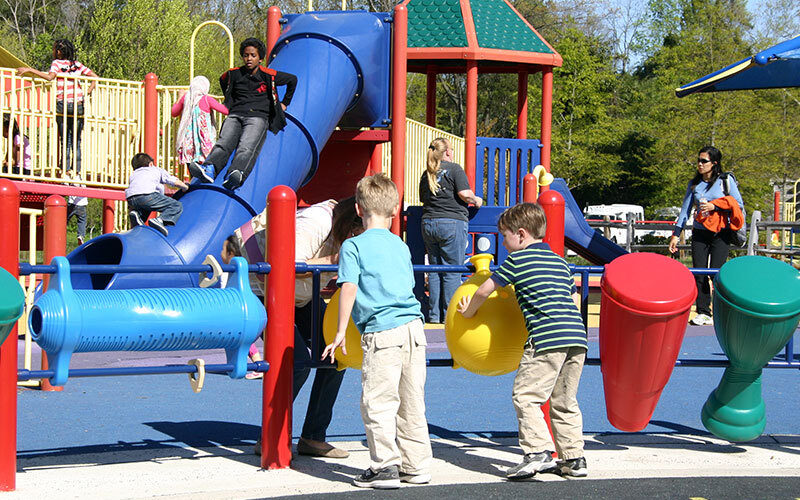
Once you’ve refueled and soaked up some sunshine, it’s time for the playground hopping portion of the day. Instead of staying at one park, map out two or three nearby playgrounds and turn it into a mini-adventure. Each playground has its own personality — some feature climbing walls and obstacle courses, while others focus on swings, slides, or splash pads.

If your city has multiple neighborhood parks within a few miles of each other, take advantage of it by turning playground visits into “challenge rounds.” You might assign each park a theme, like the “climber’s park,” the “swing park,” or the “sandbox park.” Kids love comparing favorites, and the movement between parks keeps the day exciting.

Parents can enjoy this part just as much. While the kids burn off energy, you can enjoy reading a few pages of your latest book or take some spring photos for family albums or social media. Try capturing candid shots — a midair moment on a swing or a goofy grin after tackling the tallest slide. These spontaneous moments often become family favorites.

Evening: Wind Down and Reflect

As the day winds down, find a quiet bench or patch of grass to relax and reflect before heading home. Encourage each family member to share their favorite moment of the day — maybe it’s spotting a turtle on the trail, discovering a hidden picnic grove, or racing across a new playground. Sharing these memories reinforces gratitude for simple joys and makes everyone feel part of the adventure.

If you brought a small journal, jot down what you loved about each park and note any that might be fun to revisit later in summer. This small habit creates a running list of local gems for future weekends when you want to get outside without traveling far.

Tips for Planning Your Day

To make your public parks’ spring break day even smoother, keep these quick tips in mind:

  • Check local park websites for amenities, parking details, and hours of operation.
  • Bring sunscreen, hats, and plenty of water — even in cooler spring weather, outdoor fun can be dehydrating.
  • Keep a small first-aid kit handy for minor scrapes or blisters.
  • Dress in comfortable layers since temperatures can shift quickly during spring.
  • Encourage everyone to unplug — leave devices in the car to focus on fresh air and family time.

A full day spent hopping between trails, picnic spots, and playgrounds is one of the most rewarding — and affordable — ways to celebrate spring break. It’s a reminder that joy doesn’t have to come from expensive trips or elaborate plans. Sometimes it’s about rediscovering the simple pleasures right in your own community: sunshine filtering through leaves, laughter echoing from swings, and the ease of being outdoors together.

So this spring, gather your crew, plan your route, and enjoy a mini adventure that combines everything you love about the season. Your local parks are waiting.
read more
Travel

The Transformative Nature of Travel and How It Shapes Human Growth

Travel is one of the most powerful experiences available to anyone seeking personal expansion, cultural understanding, or a renewed sense of purpose. In many ways, Travel influences how people perceive the world and themselves. Unlike familiar routines at home, new environments push individuals to confront fresh ideas, observe different ways of living, and interact with diverse communities. These experiences broaden perspective and build adaptability, two traits that are essential in an increasingly interconnected world. People who embrace Travel often discover more confidence, emotional resilience, and curiosity as they navigate unfamiliar experiences.

For many individuals, Travel becomes a catalyst for long term growth. It teaches problem solving, introduces new cultures, and creates memories that shape identity. By stepping into different landscapes, languages, and social norms, travelers understand their place within a global community. Travel encourages self reflection, enhances communication skills, and helps people appreciate the uniqueness of both their own culture and the cultures of others. When approached with intention, each journey becomes a rich opportunity for learning and connection.

The Psychological Benefits of Travel

Travel is widely recognized for improving emotional wellbeing and cognitive flexibility. The experiences travelers encounter naturally stimulate curiosity and a sense of discovery.

Increased adaptability and resilience

Travel exposes individuals to situations that require quick thinking and flexibility. This might include:

  • Navigating unfamiliar transportation systems
  • Communicating without fluency in the local language
  • Adjusting to new foods, climates, or customs
  • Solving unexpected challenges during the trip

These challenges strengthen adaptability and help individuals stay calm under pressure. Over time, this adaptability becomes a valuable life skill.

Enhanced mental clarity

Stepping away from daily responsibilities allows the mind to reset. New environments refresh mental energy by:

  • Interrupting stressful routines
  • Encouraging curiosity and exploration
  • Providing time for reflection
  • Offering physical and emotional distance from daily pressures

Many people return from trips with clearer thinking and renewed motivation.

Stronger emotional intelligence

Travel requires interacting with people from different backgrounds. These interactions help develop:

  • Empathy for other cultures
  • Social awareness
  • Improved listening and communication skills
  • Respect for different perspectives

Emotional intelligence improves relationships and strengthens decision making.

Cultural Understanding Through Travel

Culture shapes how people view life. By traveling, individuals gain insight into traditions, social norms, and values that differ from their own.

Immersion in local customs

Cultural immersion allows travelers to experience daily life as locals do. This includes:

  • Participating in local traditions
  • Observing community celebrations
  • Trying regional foods
  • Learning basic phrases in the local language

Immersive experiences help people appreciate cultural richness and diversity.

Breaking stereotypes and misconceptions

Before visiting a destination, many people rely on secondhand information. Real life experiences dispel inaccurate assumptions by revealing the true character of a place. Direct interactions with locals foster authentic understanding.

Learning from global perspectives

Exposure to different worldviews encourages personal growth. Travelers learn how other societies approach:

  • Education
  • Work life balance
  • Family structures
  • Social responsibility
  • Conflict resolution

These lessons can inspire positive changes in the traveler’s own life.

Travel as an Educational Experience

Travel teaches lessons that are difficult to learn in traditional settings. It provides hands on understanding of geography, history, and social behavior.

Geography made meaningful

Travel makes geography more than maps and facts. When travelers interact with landscapes, climates, and ecosystems, they develop:

  • A deeper awareness of environmental issues
  • An appreciation for natural diversity
  • Insight into how geography influences culture

Understanding historical context

Visiting historical sites provides a direct connection to past events. Travelers see the impact of history on modern society through:

  • Monuments
  • Museums
  • Architecture
  • Local storytelling

These experiences deepen appreciation for the legacy of past civilizations.

Broadening academic and professional perspectives

Travel can spark interest in new fields or enhance professional qualifications. Many careers benefit from:

  • Cross cultural communication skills
  • Global industry knowledge
  • Understanding international markets
  • Exposure to different educational systems and methodologies

The global awareness gained through travel is increasingly valued in the workplace.

How Travel Strengthens Relationships

Traveling with others creates shared experiences that improve understanding and connection.

Building stronger communication

Group travel requires:

  • Coordinating schedules
  • Managing shared responsibilities
  • Navigating challenges together
  • Respecting personal differences

These situations strengthen communication and trust.

Creating lifelong memories

Shared experiences form lasting bonds. Positive travel memories increase emotional closeness among:

  • Friends
  • Romantic partners
  • Families
  • Work teams

These memories often become reference points for future connection.

Understanding each other’s strengths and weaknesses

Travel reveals how individuals handle stress, responsibility, and decision making. This insight deepens relationships and promotes mutual respect.

The Economic Impact of Travel

Travel influences global and local economies, generating opportunities and building connections between regions.

Supporting local communities

Travel can benefit local communities through:

  • Purchases from small businesses
  • Support for local guides
  • Respectful engagement with artisans and craftspeople
  • Participation in community based experiences

Economic support empowers communities and helps preserve cultural heritage.

Encouraging job growth

Travel generates employment in:

  • Hotels and hospitality
  • Transportation industries
  • Food services
  • Tourism services
  • Cultural preservation programs

These jobs help communities flourish economically.

Stimulating innovation

Demand from travelers encourages innovation in:

  • Travel technology
  • Infrastructure development
  • Sustainable tourism practices
  • Cultural preservation projects

Innovation strengthens global connectivity and supports long term growth.

Sustainable Travel Practices

Thoughtful travel helps protect the planet and preserve local cultures for future generations.

Minimizing environmental impact

Responsible travelers take steps to reduce their ecological footprint by:

  • Choosing eco friendly accommodations
  • Reducing waste and plastic use
  • Walking or biking when possible
  • Respecting wildlife and protected areas

These practices protect natural environments.

Supporting ethical tourism

Ethical tourism respects:

  • Local communities
  • Cultural traditions
  • Worker rights
  • Environmental conservation

Travelers can choose tours and experiences that prioritize responsible practices.

Encouraging long term sustainability

Sustainable travel creates a cycle where both travelers and local communities benefit. When done responsibly, travel supports cultural preservation and environmental health.

Personal Development Through Travel

Beyond sightseeing, travel becomes a tool for self discovery and personal evolution.

Building confidence

Handling challenges independently builds confidence. Travelers learn to:

  • Trust their instincts
  • Solve problems creatively
  • Communicate across language barriers
  • Navigate uncertain situations

Confidence gained through travel often carries into everyday life.

Developing a global mindset

A global mindset involves:

  • Appreciation of cultural diversity
  • Awareness of global issues
  • Openness to new ideas
  • Willingness to collaborate across cultures

This mindset improves personal and professional relationships.

Strengthening creativity

Exposure to new environments inspires creativity. Travelers often feel:

  • More imaginative
  • More expressive
  • More motivated to start new projects
  • Better able to think outside the box

Creative inspiration is one of the most rewarding aspects of travel.

Planning Meaningful Travel Experiences

Travel becomes more impactful when approached intentionally.

Setting personal goals

Before traveling, individuals benefit from identifying what they hope to gain. Goals might include:

  • Learning a new language
  • Exploring nature
  • Studying local history
  • Connecting with new people
  • Relaxing and restoring mental health

Clear goals help shape more fulfilling travel experiences.

Researching destinations

Meaningful travel requires learning about:

  • Local customs
  • Cultural expectations
  • Environmental conditions
  • Historical significance

Preparation shows respect and increases personal understanding.

Engaging with the local community

Travelers gain deeper insight by:

  • Supporting local businesses
  • Attending cultural events
  • Participating in guided tours run by residents
  • Asking respectful questions

Authentic engagement builds stronger connections.

Frequently Asked Questions

How can someone make travel more meaningful instead of just recreational?

Setting intentional goals, engaging with local culture, supporting community based activities, and reflecting on experiences can make travel far more meaningful.

What should travelers do when facing unexpected challenges abroad?

Remaining calm, seeking help from local authorities or trusted guides, and adapting plans when necessary helps travelers stay safe and confident during unexpected situations.

Why do some people feel more inspired when they travel?

Exposure to new environments stimulates creativity, curiosity, and perspective. Novel experiences activate parts of the brain associated with imagination and problem solving.

Is solo travel safe for beginners?

Yes, with proper planning. Beginners should research destinations, choose safe accommodations, share itineraries with trusted people, and stay aware of their surroundings.

How can travel strengthen family relationships?

Shared experiences, teamwork, and uninterrupted time together help families communicate more openly, understand each other better, and deepen emotional connection.

If you’d like, I can also create a companion article on international travel tips, cultural etiquette, digital nomad lifestyles, or sustainable tourism.

read more
Travel

What First-Time Visitors Usually Get Wrong About Thailand

Thailand is one of those places that people think they already understand before they land. There are plenty of pictures online, and the same spots keep showing up on travel blogs and videos. But once you’re actually here, things don’t always match what you imagined.

Many first-time visitors believe they’ll only be visiting temples, beaches, and night markets. These are definitely worth seeing, but that’s not the whole picture. If you’ve been searching for tourist attractions Thailand, you’ve probably already seen the same few names over and over. What most people miss is how much of the experience happens in the smaller moments.

Getting Around Isn’t Always Simple

It’s easy to assume you can just grab a taxi or hop on a train like in some other countries. But transport works differently in each part of Thailand. Bangkok has a skytrain and underground system that’s efficient, but once you leave the capital, you’re more likely to rely on songthaews, boats, or just walking.

Some visitors also underestimate travel times. That island you saw in a video might take hours to reach, even if it looks close on the map. Planning too much in one day can leave you hot, stressed, and rushing from place to place.

The Culture Isn’t Just Smiles and Street Food

Yes, people are friendly and the food is excellent. But that doesn’t mean everything is casual. There are cultural differences that matter. Dress codes still apply at temples, shoes need to come off in many indoor places, and not every local is looking to pose for your holiday photo.

There’s also a level of respect that runs through daily life. Talking loudly in public, losing your temper, or pointing with your feet can come off as rude, even if you don’t mean to offend anyone.

Not Everything Costs Pennies

Thailand has a reputation for being cheap. While many things are affordable, especially food and transport, prices can add up fast if you’re only visiting popular areas. Tourist pricing is real, especially in spots that see high foot traffic.

Some visitors also miss the value in mid-range options. The cheapest deal isn’t always the best one. Spending a bit more on a better massage, a cleaner hotel, or a local tour guide can completely change the experience.

More Than a Checklist?

One of the biggest mistakes is treating Thailand like a list of stops. The best parts of a visit are often unplanned. A quiet lunch spot tucked behind a market. A beach with no name. A casual chat with someone on a ferry.

Trying to rush through ten locations in five days might leave you with a photo album but not much else. The better option is to slow down, stay flexible, and give yourself room to actually take it all in.

Thailand works best when you meet it halfway. Don’t expect it to fit the picture you had in mind. Let it surprise you.

read more
Travel

How to plan the perfect luxury safari trip

A luxury african safari is the kind of journey that awakens your senses, expands your perspective, and lingers in memory for a lifetime. It’s a seamless blend of raw wilderness and refined comfort, where you might spend the morning tracking lions through golden grasslands and the evening sipping sundowners on a deck overlooking an elephant watering hole. But behind every unforgettable safari lies careful, thoughtful planning — and it begins long before your boots touch African soil.

Here’s how to plan the perfect luxury safari trip, one that’s tailored to your dreams and delivers an experience as spectacular as the destination itself.

Begin With a Vision

Every great safari begins with a clear vision. What does your ideal trip look like? Are you picturing the endless plains of the Serengeti during the Great Migration, or a more intimate escape in the misty mountains of Rwanda with gorilla trekking? Do you want to disconnect completely in a remote tented camp, or enjoy five-star pampering in a stylish lodge with plunge pools and gourmet cuisine?

Understanding your travel style and preferences — whether adventurous, romantic, cultural, or relaxing — will guide every decision you make. Luxury safaris are highly customisable, and your personal vision is the blueprint.

Budgeting Without Compromising the Experience

One of the most important steps in the planning process is setting a realistic budget. Luxury safaris are not inexpensive, but they do offer exceptional value when done right. Costs vary widely depending on destination, accommodation level, and season, but generally include accommodations, meals, game drives, guides, and transfers.

Don’t forget to factor in international flights, optional activities like balloon rides or private excursions, and extras such as tipping and travel insurance. The key is balance — splurge on the things that matter most to you, like a private guide or a lodge with top-tier amenities, while being strategic about timing and logistics.

Research: The Foundation of a Great Safari

Thorough research is essential when planning your safari. Africa is vast, and every region offers something different, from climate and wildlife to accessibility and safety. Think about what you want to see and do. If witnessing the Big Five is your goal, you’ll want to prioritise regions like Kenya’s Maasai Mara or South Africa’s Sabi Sands. If you’re drawn to off-the-beaten-path beauty, Namibia or Zambia might be more your style.

Research is key when planning the perfect safari trip. Consider factors such as the climate and best time of year to visit, the wildlife, and the type of safari experience you’re looking for. Read travel blogs and reviews to get first-hand accounts of the experience from other travellers. If you are looking at South Africa as your main destination, searching for the Best place for a safari in South Africa will be your first port of call online.

Equally important is choosing the right tour operator. A reliable operator will not only help you navigate your options but also ensure that your trip is safe, ethical, and logistically smooth. Look for companies with experienced guides, transparent pricing, and strong guest reviews. Ask questions about their conservation policies and community engagement — responsible tourism is increasingly important in today’s travel landscape.

Lastly, check on health precautions and entry requirements. Consult a travel health clinic well in advance for any necessary vaccinations, and be sure your passport is valid for at least six months beyond your return date. Some countries may require a visa or proof of Yellow Fever vaccination.

Selecting the Right Safari Destination

When it comes to luxury safaris, destination matters — and Africa spoils you for choice. South Africa is often the top pick for first-time travellers thanks to its excellent infrastructure, malaria-free reserves, and wide variety of high-end lodges. Botswana, with its exclusive private concessions and pristine wilderness, is ideal for those seeking privacy and untouched nature.

Tanzania and Kenya are unbeatable for witnessing large-scale wildlife spectacles like the Great Migration, while Rwanda and Uganda offer the rare and emotional experience of tracking mountain gorillas. Namibia offers dramatic desert landscapes and unique wildlife, perfect for travellers seeking something truly different.

Each destination comes with its own rhythm, atmosphere, and wildlife focus, and your selection should match your vision for the trip.

Accommodation That Defines the Experience

Where you stay can shape your entire safari. Luxury camps and lodges today offer more than just a place to rest — they are immersive experiences in themselves. Think elegant tented suites with sweeping savanna views, eco-lodges with infinity pools carved into the landscape, or treehouse-style villas where giraffes might stroll past at breakfast.

Beyond comfort, great accommodation offers exceptional guiding, delicious cuisine, and thoughtful extras — like a lantern-lit dinner under the stars, or a surprise morning coffee setup at your private veranda as dawn breaks over the bush.

It’s worth reading recent guest reviews, checking for conservation credentials, and understanding what’s included in your stay. Some high-end properties offer all-inclusive rates with game drives, meals, drinks, and even spa treatments — others may be more à la carte.

The Value of an Expert Guide

No matter how luxurious your lodge is, your guide will make or break your safari. A great guide doesn’t just point out animals — they share insights, track elusive species, read the landscape, and enhance every moment with knowledge and storytelling.

Ask your tour operator about their guides’ qualifications and experience. Many top-tier lodges employ guides certified by leading wildlife organisations and trained in everything from tracking to photography and cultural interpretation. If you’re booking a private safari, see if you can request a specific guide or ask for recommendations from past travellers.

Smart Packing for the Wild

Packing for a luxury safari requires practicality with a touch of style. Most camps have weight restrictions due to small aircraft travel, so pack light — but pack right.

Opt for neutral-coloured, breathable clothing that blends into the environment and protects against the sun. Include a wide-brim hat, quality sunglasses, sunscreen, insect repellent, and a good pair of walking shoes. A camera and binoculars are must-haves. Most high-end lodges provide toiletries, laundry services, and even in-room charging stations, so focus on the essentials.

Frequently Asked Questions (FAQ)

❓ When is the best time to go on a luxury safari?
✅ The best time depends on your destination. Typically, the dry season (May to October) is ideal for wildlife viewing as animals congregate around water. However, the green season (November to April) offers lush scenery, fewer crowds, and is excellent for photography and birdwatching.

❓ How far in advance should I book my safari?
✅ It’s recommended to book your luxury safari 9 to 12 months in advance, especially for peak travel periods or premium destinations like Botswana, Kenya, or Tanzania. Lodges and private guides tend to fill up quickly.

❓ Is it safe to go on a luxury African safari?
✅ Yes. Safaris are generally safe when organised through reputable operators. Professional guides are well-trained in animal behaviour and guest safety. Camps and lodges follow strict protocols to ensure safety in the wild.

❓ What wildlife will I see on safari?
✅ You’ll likely encounter the iconic Big Five: lions, leopards, elephants, rhinos, and buffalo. Depending on the region, you may also see cheetahs, giraffes, zebras, wildebeest, hippos, crocodiles, and hundreds of bird species.

❓ Are luxury safaris suitable for families with children?
✅ Many luxury lodges now welcome families and offer child-friendly activities, special menus, and flexible safari schedules. However, some lodges have minimum age requirements, so it’s best to confirm in advance.

❓ Do I need vaccinations for a safari trip?
✅ Most likely, yes. Vaccinations such as Yellow Fever, Typhoid, Hepatitis A & B, and Tetanus are commonly recommended. Malaria prophylaxis may also be advised depending on the region. Always consult a travel clinic before departure.

Final Thoughts

A luxury African safari is not just a holiday — it’s a transformative journey into one of the most awe-inspiring environments on earth. With thoughtful planning, the right destination, and a trusted operator, you can immerse yourself in the wild while enjoying comfort, cuisine, and care that rival the world’s finest resorts.

From the deep roar of a lion at night to the warmth of your guide’s storytelling by the campfire, every moment is stitched with wonder. Plan carefully, travel mindfully, and let Africa do the rest.

read more
Travel

Simple Ways to Safely Book Your Trip

With travel fully open in most of the world, you may want to get out and explore. Without proper precaution though, booking your vacation might turn into a major headache. So, let’s talk about what you can do to protect you and your family.

While legitimate travel businesses do use marketing tools like pop-ups, specials and limited time offers to encourage booking, be aware that enticing links and pop-up pages that offer better deals and bargains may not be as good as they sound. Without checking a website’s authenticity, you may be booking a scam. According to the IATA, payment fraud to the airline industry is $858 million per year.

If you receive a random email, perhaps a few days before the trip, asking to click a link to confirm the booking, call the hotel or airline directly to confirm your trip, don’t click unless you can determine that the email is legitimate. For more on ways to keep you and your family safe, check out the resource below!

How To Safely Book Online Travel from ThinkReservations, a Hotel Property Management System
read more