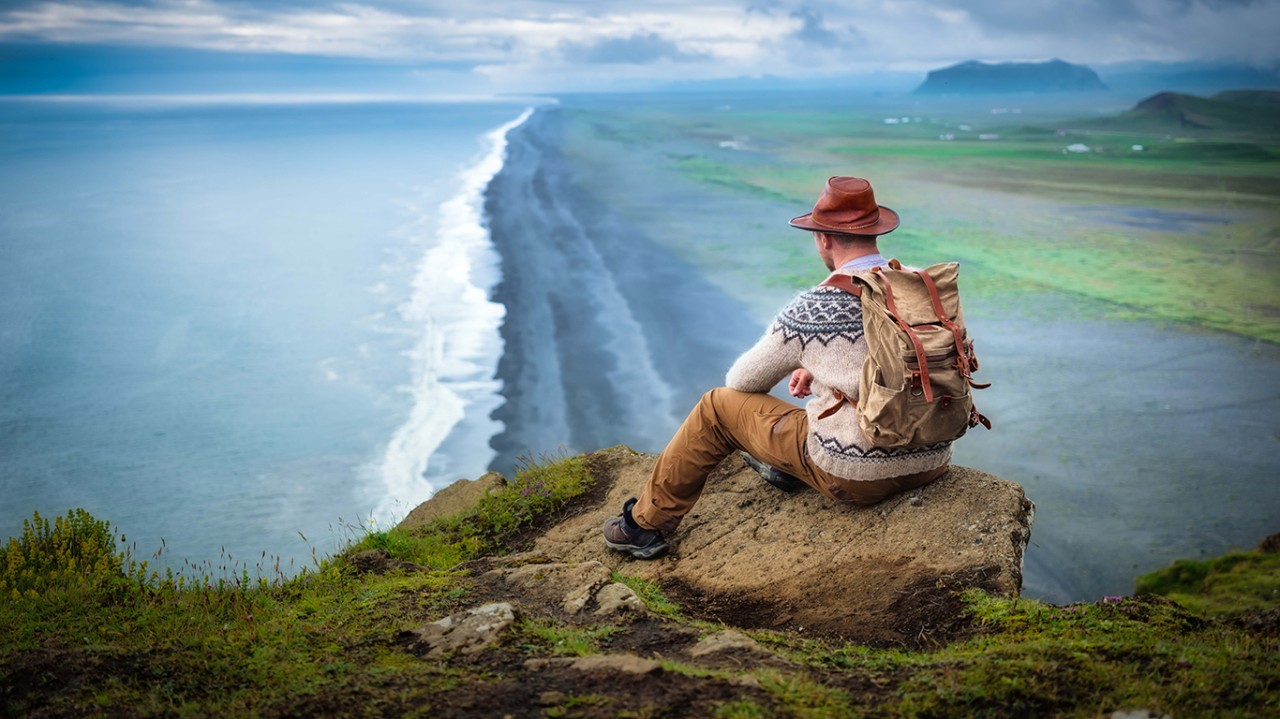
Travel is one of the most powerful experiences available to anyone seeking personal expansion, cultural understanding, or a renewed sense of purpose. In many ways, Travel influences how people perceive the world and themselves. Unlike familiar routines at home, new environments push individuals to confront fresh ideas, observe different ways of living, and interact with diverse communities. These experiences broaden perspective and build adaptability, two traits that are essential in an increasingly interconnected world. People who embrace Travel often discover more confidence, emotional resilience, and curiosity as they navigate unfamiliar experiences.
For many individuals, Travel becomes a catalyst for long term growth. It teaches problem solving, introduces new cultures, and creates memories that shape identity. By stepping into different landscapes, languages, and social norms, travelers understand their place within a global community. Travel encourages self reflection, enhances communication skills, and helps people appreciate the uniqueness of both their own culture and the cultures of others. When approached with intention, each journey becomes a rich opportunity for learning and connection.
The Psychological Benefits of Travel
Travel is widely recognized for improving emotional wellbeing and cognitive flexibility. The experiences travelers encounter naturally stimulate curiosity and a sense of discovery.
Increased adaptability and resilience
Travel exposes individuals to situations that require quick thinking and flexibility. This might include:
- Navigating unfamiliar transportation systems
- Communicating without fluency in the local language
- Adjusting to new foods, climates, or customs
- Solving unexpected challenges during the trip
These challenges strengthen adaptability and help individuals stay calm under pressure. Over time, this adaptability becomes a valuable life skill.
Enhanced mental clarity
Stepping away from daily responsibilities allows the mind to reset. New environments refresh mental energy by:
- Interrupting stressful routines
- Encouraging curiosity and exploration
- Providing time for reflection
- Offering physical and emotional distance from daily pressures
Many people return from trips with clearer thinking and renewed motivation.
Stronger emotional intelligence
Travel requires interacting with people from different backgrounds. These interactions help develop:
- Empathy for other cultures
- Social awareness
- Improved listening and communication skills
- Respect for different perspectives
Emotional intelligence improves relationships and strengthens decision making.
Cultural Understanding Through Travel
Culture shapes how people view life. By traveling, individuals gain insight into traditions, social norms, and values that differ from their own.
Immersion in local customs
Cultural immersion allows travelers to experience daily life as locals do. This includes:
- Participating in local traditions
- Observing community celebrations
- Trying regional foods
- Learning basic phrases in the local language
Immersive experiences help people appreciate cultural richness and diversity.
Breaking stereotypes and misconceptions
Before visiting a destination, many people rely on secondhand information. Real life experiences dispel inaccurate assumptions by revealing the true character of a place. Direct interactions with locals foster authentic understanding.
Learning from global perspectives
Exposure to different worldviews encourages personal growth. Travelers learn how other societies approach:
- Education
- Work life balance
- Family structures
- Social responsibility
- Conflict resolution
These lessons can inspire positive changes in the traveler’s own life.
Travel as an Educational Experience
Travel teaches lessons that are difficult to learn in traditional settings. It provides hands on understanding of geography, history, and social behavior.
Geography made meaningful
Travel makes geography more than maps and facts. When travelers interact with landscapes, climates, and ecosystems, they develop:
- A deeper awareness of environmental issues
- An appreciation for natural diversity
- Insight into how geography influences culture
Understanding historical context
Visiting historical sites provides a direct connection to past events. Travelers see the impact of history on modern society through:
- Monuments
- Museums
- Architecture
- Local storytelling
These experiences deepen appreciation for the legacy of past civilizations.
Broadening academic and professional perspectives
Travel can spark interest in new fields or enhance professional qualifications. Many careers benefit from:
- Cross cultural communication skills
- Global industry knowledge
- Understanding international markets
- Exposure to different educational systems and methodologies
The global awareness gained through travel is increasingly valued in the workplace.
How Travel Strengthens Relationships
Traveling with others creates shared experiences that improve understanding and connection.
Building stronger communication
Group travel requires:
- Coordinating schedules
- Managing shared responsibilities
- Navigating challenges together
- Respecting personal differences
These situations strengthen communication and trust.
Creating lifelong memories
Shared experiences form lasting bonds. Positive travel memories increase emotional closeness among:
- Friends
- Romantic partners
- Families
- Work teams
These memories often become reference points for future connection.
Understanding each other’s strengths and weaknesses
Travel reveals how individuals handle stress, responsibility, and decision making. This insight deepens relationships and promotes mutual respect.
The Economic Impact of Travel
Travel influences global and local economies, generating opportunities and building connections between regions.
Supporting local communities
Travel can benefit local communities through:
- Purchases from small businesses
- Support for local guides
- Respectful engagement with artisans and craftspeople
- Participation in community based experiences
Economic support empowers communities and helps preserve cultural heritage.
Encouraging job growth
Travel generates employment in:
- Hotels and hospitality
- Transportation industries
- Food services
- Tourism services
- Cultural preservation programs
These jobs help communities flourish economically.
Stimulating innovation
Demand from travelers encourages innovation in:
- Travel technology
- Infrastructure development
- Sustainable tourism practices
- Cultural preservation projects
Innovation strengthens global connectivity and supports long term growth.
Sustainable Travel Practices
Thoughtful travel helps protect the planet and preserve local cultures for future generations.
Minimizing environmental impact
Responsible travelers take steps to reduce their ecological footprint by:
- Choosing eco friendly accommodations
- Reducing waste and plastic use
- Walking or biking when possible
- Respecting wildlife and protected areas
These practices protect natural environments.
Supporting ethical tourism
Ethical tourism respects:
- Local communities
- Cultural traditions
- Worker rights
- Environmental conservation
Travelers can choose tours and experiences that prioritize responsible practices.
Encouraging long term sustainability
Sustainable travel creates a cycle where both travelers and local communities benefit. When done responsibly, travel supports cultural preservation and environmental health.
Personal Development Through Travel
Beyond sightseeing, travel becomes a tool for self discovery and personal evolution.
Building confidence
Handling challenges independently builds confidence. Travelers learn to:
- Trust their instincts
- Solve problems creatively
- Communicate across language barriers
- Navigate uncertain situations
Confidence gained through travel often carries into everyday life.
Developing a global mindset
A global mindset involves:
- Appreciation of cultural diversity
- Awareness of global issues
- Openness to new ideas
- Willingness to collaborate across cultures
This mindset improves personal and professional relationships.
Strengthening creativity
Exposure to new environments inspires creativity. Travelers often feel:
- More imaginative
- More expressive
- More motivated to start new projects
- Better able to think outside the box
Creative inspiration is one of the most rewarding aspects of travel.
Planning Meaningful Travel Experiences
Travel becomes more impactful when approached intentionally.
Setting personal goals
Before traveling, individuals benefit from identifying what they hope to gain. Goals might include:
- Learning a new language
- Exploring nature
- Studying local history
- Connecting with new people
- Relaxing and restoring mental health
Clear goals help shape more fulfilling travel experiences.
Researching destinations
Meaningful travel requires learning about:
- Local customs
- Cultural expectations
- Environmental conditions
- Historical significance
Preparation shows respect and increases personal understanding.
Engaging with the local community
Travelers gain deeper insight by:
- Supporting local businesses
- Attending cultural events
- Participating in guided tours run by residents
- Asking respectful questions
Authentic engagement builds stronger connections.
Frequently Asked Questions
How can someone make travel more meaningful instead of just recreational?
Setting intentional goals, engaging with local culture, supporting community based activities, and reflecting on experiences can make travel far more meaningful.
What should travelers do when facing unexpected challenges abroad?
Remaining calm, seeking help from local authorities or trusted guides, and adapting plans when necessary helps travelers stay safe and confident during unexpected situations.
Why do some people feel more inspired when they travel?
Exposure to new environments stimulates creativity, curiosity, and perspective. Novel experiences activate parts of the brain associated with imagination and problem solving.
Is solo travel safe for beginners?
Yes, with proper planning. Beginners should research destinations, choose safe accommodations, share itineraries with trusted people, and stay aware of their surroundings.
How can travel strengthen family relationships?
Shared experiences, teamwork, and uninterrupted time together help families communicate more openly, understand each other better, and deepen emotional connection.
If you’d like, I can also create a companion article on international travel tips, cultural etiquette, digital nomad lifestyles, or sustainable tourism.