close

Rider Sam

Lifestyle

Struggling With a Difficult Teen? 10 Christian Parenting Tips That Help

The teenage years can be challenging for both parents and children. Between emotional changes, growing independence, school stress, social media, and peer pressure, many families struggle to maintain peace and communication at home. During these difficult moments, faith can become a powerful source of strength, patience, and guidance.

By bringing prayer, compassion, and Christian values into daily life, parents can create a more loving and supportive environment for teenagers. Here are 10 faith-based tips to help families cope with difficult teenage years while keeping Christ at the center of the home.

  1. Pray for Patience and Wisdom

Parenting teenagers often requires extraordinary patience. Before reacting in frustration, take a moment to pray for calmness and understanding. Prayer can help parents respond with love instead of anger.

Creating a small prayer corner at home with crosses, candles, or devotional statues from Holyart can encourage peaceful reflection for the entire family.

  1. Listen Before You Judge

Teenagers want to feel heard and respected. Even when they seem distant or rebellious, listening carefully can strengthen trust and communication.

Faith teaches compassion and empathy. Sometimes simply listening without immediately criticizing can open the door to meaningful conversations.

  1. Encourage Daily Prayer

Teenagers face many pressures today, including anxiety, loneliness, and insecurity. Encouraging daily prayer can help them feel grounded and spiritually supported.

Rosary bracelets, prayer books for teens, and inspirational Christian jewelry available at Holyart can make prayer feel more personal and approachable for young people.

  1. Lead by Example

Teenagers often imitate what they see more than what they hear. Parents who practice kindness, forgiveness, and faith in daily life can positively influence their children over time.

Displaying religious art, family blessing plaques, or Bible verses around the home can help create a Christ-centered environment that reinforces positive values.

  1. Set Loving but Firm Boundaries

Faith-based parenting does not mean avoiding discipline. Teenagers need structure, accountability, and healthy boundaries.

Setting clear rules with love and consistency helps teens feel secure, even when they resist limits. Christian values such as honesty, respect, and responsibility can guide these conversations.

  1. Reduce Technology and Create Family Time

Many conflicts with teenagers are connected to excessive screen time and social media stress. Families benefit from creating intentional moments together away from phones and devices.

Simple family traditions like prayer before meals, Bible study nights, or attending church together can strengthen family bonds.

  1. Remind Them of Their Worth in God

Teenagers often struggle with self-esteem and comparison. Reminding them that they are loved by God can help build confidence and resilience.

Faith-inspired gifts such as saint medals, cross necklaces, or inspirational wall décor from Holyart can serve as daily reminders of hope and identity.

  1. Teach Forgiveness

Arguments and misunderstandings are normal during adolescence. Christian teachings on forgiveness can help families move forward after difficult moments.

Parents who apologize when necessary also teach humility and emotional maturity, showing teens that nobody is perfect.

  1. Encourage Positive Friendships

The people teenagers spend time with greatly influence their behavior and mindset. Encourage friendships that support positive values, kindness, and healthy choices.

Youth groups, volunteer opportunities, and church communities can provide teenagers with supportive environments rooted in faith.

  1. Trust God During Difficult Seasons

Some parenting seasons feel overwhelming, especially when teenagers become distant, angry, or emotionally closed off. Faith reminds families that growth often takes time.

Continue praying, loving, and supporting your teenager even during difficult periods. God can work through patience, consistency, and unconditional love.

Building a Faith-Filled Home for Teenagers

Teenage years are not always easy, but faith can help families navigate challenges with hope and compassion. By combining prayer, communication, structure, and love, parents can create a home where teenagers feel supported and spiritually grounded.

At Holyart, families can find crosses, rosaries, inspirational décor, prayer books, and Christian gifts that help strengthen faith and create peaceful homes centered on Christian values.

read more
Home

Specialist Growers Choose the Richest Red Daylilies

Red daylilies are often described too loosely, as if every flower that leans towards crimson belongs in the same group. Specialist growers do not see them that way. They separate a clear scarlet from a black-red, a wine-red from a brick-red, and a rich velvet self from a flower whose value comes from a contrasting eye or edge. That distinction matters in the garden, because the best red daylilies do more than provide colour. They hold their tone through changing light, sit well against foliage, and keep enough substance in the petals to look presentable from morning into evening.

A practical way to judge richness is to look at three things together: colour depth, consistency and performance. A deep red that turns orange in strong sun will disappoint. A dramatic flower that opens poorly in cool weather will not earn long-term space in a mixed border. And a variety with glorious colour but weak scapes may never give the broad effect gardeners expect. Specialist growers tend to favour red daylilies that combine saturated colour with sound garden behaviour, because these are the cultivars that succeed outside a show bench.

One leading British nursery, the premier grower of Daylily plants SwallowtailDaylilies, advises buyers to treat colour photographs as a starting point rather than a verdict. Its guidance is that the strongest red selections are those chosen with an eye for climate, planting context and repeat performance, not simply for novelty. For gardeners browsing red daylily plants for sale, that is a useful corrective: the richest red is the one that keeps its character in an ordinary summer, not only in ideal conditions.

That approach explains why experienced growers repeatedly return to certain red daylilies, even when hundreds of new introductions appear every season. The most admired reds have a combination of visual authority and reliability. They read clearly from a distance, but they also reward close inspection with texture, veining, green throats or fine edging. In practical terms, they are among the easiest ways to give a summer border backbone without relying on shrubs or annual bedding.

What specialist growers mean by a rich red

When growers talk about a rich red daylily, they are not just referring to darkness. Some of the most successful cultivars are bright, open reds rather than near-black shades. Richness is usually a blend of depth and clarity. The colour should appear full rather than washed, and it should remain recognisably red rather than sliding towards rust, magenta or muddy maroon as the bloom ages. In specialist terms, this often comes down to pigment balance, petal substance and the influence of light at different times of day.

The first category many growers admire is the true red self. These varieties keep a fairly even colour across petals and sepals, sometimes with a green or yellow throat, and they deliver the boldest block of colour in the border. A good red self is straightforward but demanding: there is nowhere for a weak tone to hide. If the flower is thin in substance or prone to bleaching, it shows immediately. The best examples hold a plush, even finish and have enough branching to provide continuity of display.

The second category is the velvet or black-red daylily. These are often the flowers collectors discuss most enthusiastically, because the darkest reds can look almost lacquered in low evening light. Yet specialists are often selective here. Very dark reds can absorb light and disappear in a gloomy border, especially when planted in front of dark evergreens or purple foliage. Growers who choose them well usually balance the darkness with a bright throat, a narrow edge or a taller habit so the flowers remain legible from a distance.

Then there are red daylilies whose richness comes from pattern rather than solid colour. A red eye on a lighter ground, or a red flower with a gold edge, can have more complexity than a plain self and may carry better through difficult weather. These are not always the first flowers people picture when they think of red daylilies, but specialist growers often rate them highly because they extend the red palette and make combinations easier in mixed planting.

Across all these groups, richness depends on proportion as much as hue. Large flowers on short scapes can look heavy. Huge ruffled petals may seem extravagant in catalogues but awkward in a restrained garden. The growers who choose the best reds usually value a flower that matches the scale of the plant and presents itself cleanly above the foliage. That balance is one reason certain long-established cultivars remain respected: they may not be the newest, but they understand the border.

The qualities growers look for before they recommend a variety

A red daylily can be spectacular in a single photograph and still fail a specialist grower’s test. The first quality professionals watch is opening. Red cultivars with heavy substance or complex form can struggle on cool mornings, producing pinched petals or uneven blooms. A reliable garden variety should open well across a range of conditions, because British summers are variable and a plant that only performs in heat is of limited value.

Bud count and branching come next. Rich red shades are visually forceful, but that impact fades quickly if the plant offers only a short flush. Growers usually prefer cultivars with enough buds to extend the season and enough branching to keep fresh flowers moving up the scape. This matters particularly in red, because a patchy display can look harsher than softer colours when gaps appear. A fuller sequence of blooms gives the planting a steadier rhythm.

Foliage quality is also more important than many buyers realise. Daylilies spend far longer as clumps of leaves than as open flowers, so a recommended red variety needs tidy, healthy growth that supports the rest of the border. Specialist growers notice whether foliage stays fresh into late summer, whether it collapses after flowering, and whether the habit is dense enough to suppress weeds. A great red flower on an untidy plant is rarely the best long-term choice for an ornamental garden.

The same growers also pay attention to weather response. Some reds bleach in hot sun, while others deepen attractively as the day goes on. Rain tolerance matters too. Petals with good substance resist marking and maintain a cleaner finish after showers. In British conditions, where bright light and damp spells can occur in the same week, this adaptability is often what separates a dependable garden cultivar from a collector’s curiosity.

Finally, growers assess usefulness. That may sound plain, but it is central to why their choices are valuable. A red daylily should earn its place by solving a design problem or strengthening a planting scheme. Can it anchor a hot border without overwhelming nearby colours? Does it mix with grasses, crocosmias, salvias or kniphofias? Will it sit comfortably in a smaller suburban garden as well as a larger country border? The richest red daylilies are not just impressive flowers. They are workable plants.

The red daylily types that stand out in real gardens

In practice, specialist growers tend to group successful red daylilies into a handful of garden-worthy types. The first is the classic mid-height red self, usually around 60 to 80 centimetres tall, with flowers large enough to register clearly but not so oversized that they dominate the border. This is often the most useful category for British gardeners. These varieties partner well with warm-toned perennials, read strongly against green foliage, and can be repeated through a bed without turning the planting into a theatrical display.

Another highly valued type is the darker, more dramatic red with a velvet finish. Used carefully, these daylilies bring gravity and contrast to summer borders, especially when combined with lighter grasses or silver leaves. Specialist growers often place them where morning or late afternoon light catches the petals, because that is when the depth becomes most apparent. In flat noon light they can look stern, but at an angle they become memorable. These are the cultivars that lend sophistication to red planting, provided they are not crowded by equally dark companions.

The red daylilies with contrasting throats also rank highly. A vivid green throat can sharpen the colour and stop a rich red flower from looking dense or static. In some gardens, these are the most effective reds of all because they project more clearly at a distance. The same applies to red cultivars with a pale or gold edge. Specialist growers value them not only for decoration but because the edge helps define the bloom in variable light. This makes the flower look cleaner in mixed borders, where a pure dark red can sometimes visually merge into the background.

There is also a place for narrower-petalled or spider-influenced reds, though growers are often selective about them. When well chosen, these forms add movement and a less formal outline, which suits contemporary planting and gardens with ornamental grasses. Their value lies less in richness as density and more in richness as energy. A crimson spider daylily moving above airy companions can be more arresting than a very heavy double flower.

Double red daylilies divide opinion. Some growers admire them for fullness and abundance, while others feel doubles can obscure the clarity that makes red such a useful colour. In wetter conditions, doubles can also be slower to open or more easily marked by rain. For that reason, specialist recommendations often favour singles, semi-doubles or lightly ruffled forms over highly congested flowers. The point is not that doubles are inferior, but that red usually shows to best advantage when the form is clear and the flower can present itself cleanly.

How to use rich red daylilies without making the border heavy

Rich red daylilies are easiest to appreciate when they are placed with discipline. A common mistake is to surround them with too many competing hot colours. Although daylilies belong naturally in warm summer planting, the strongest reds gain more authority when they have breathing room. Specialist growers often recommend using repeated groups rather than a single large block. Three clumps spaced through a long border can tie a scheme together far more effectively than one dense drift in the middle.

Green is the most reliable partner. Fresh green foliage sets off red flowers cleanly and prevents the border from becoming oppressive. This is why red daylilies often work so well with simple perennials and grasses that do not demand attention at the same moment. The strappy leaves of the daylily also contrast neatly with finer textures, making the plant useful even before flowering begins. In smaller gardens, this structural contribution matters as much as the bloom itself.

For a hotter scheme, growers often balance red with orange, copper and clear yellow rather than with more pinkish tones. The aim is to keep the palette decisive. Muddy mixtures are more likely when reds are paired with uncertain purples or faded mauves. That said, very dark red daylilies can look excellent with plum foliage or dusky companions if there is enough brightness nearby to stop the planting closing in. A pale grass, a lemon-flowered perennial or a stone path can provide that relief.

One reason red daylilies remain popular with experienced gardeners is that they can bridge formal and informal styles. In a traditional herbaceous border, they add strong seasonal punctuation. In a looser modern scheme, they can act almost as flashes of signal colour above matrix planting. Their habit is adaptable enough to suit both, provided the chosen cultivar matches the mood of the design.

This is also where caution helps when browsing red daylily plants for sale. The richest reds are not automatically the darkest or the most ruffled. In an average garden, the best result often comes from a cultivar whose colour is slightly clearer, whose flowers are held just above the leaves, and whose form stays readable from the kitchen window as well as from close range. Specialist growers understand that a red daylily must function in everyday life, not only in a catalogue description.

Choosing well and keeping the colour at its best

Once the planting role is clear, choosing a red daylily becomes much simpler. Gardeners should start by considering height, flowering season and dormancy habit before getting lost in colour descriptions. A rich red flower is of limited use if the plant is too short for the border or disappears into neighbouring perennials. Equally, a cultivar that flowers only briefly may not justify space in a smaller plot where every clump needs to contribute for weeks rather than days.

Soil and site also affect how red reads. Daylilies are forgiving plants, but their best colour usually comes in reasonably fertile, moisture-retentive soil with good drainage. A position with full sun for much of the day is ideal, though in very bright or exposed places some deeper reds benefit from light shade in the hottest part of the afternoon. In Britain that is less often a problem than in hotter climates, yet it still matters for preserving tone and petal finish during a dry spell.

Feeding should be moderate. Over-rich soil can encourage lush foliage at the expense of flower quality, while drought can reduce bloom size and shorten the life of each flower. A spring mulch and sensible watering during prolonged dry weather are usually enough. Dividing congested clumps every few years also helps maintain flowering strength. Specialist growers favour this practical routine because it keeps established plants performing without turning daylilies into high-maintenance subjects.

When buying, it is worth choosing suppliers that understand named cultivars, accurate labelling and garden performance. Good nurseries can explain whether a particular red tends towards scarlet, wine or black-red, whether it is noted for rebloom, and how it behaves in local conditions. That is far more useful than an overblown catalogue phrase. Rich red daylilies deserve careful selection because their role in the border is so visible. Get them right and they can carry a summer planting for years.

The enduring appeal of the best red daylilies

The strongest red daylilies remain popular because they solve several garden problems at once. They provide colour with authority, they flower in the height of summer when borders need conviction, and they do so on plants that are generally durable, adaptable and long-lived. Specialist growers keep choosing them not out of habit but because they continue to justify their place against newer introductions.

What makes their choices useful is that they are usually grounded in observation rather than fashion. A rich red daylily has to succeed as a plant before it succeeds as an idea. It must open properly, hold its colour, sit well on the stem and contribute to the border before and after flowering. When all of those elements come together, red becomes more than a striking shade. It becomes a reliable design tool.

For British gardeners, that is the real lesson from specialist growers. The best red daylilies are not necessarily the loudest. They are the ones with enough depth to command attention, enough stability to cope with ordinary weather, and enough balance to fit into the wider garden. Whether the preference is for a clean scarlet self, a dark velvet red or a bloom sharpened by a green throat, richness is ultimately measured by performance.

That is why the finest red daylilies are so often described in practical terms as well as visual ones. They are flowers of character, certainly, but also of usefulness. In an ornamental garden, that combination is rare enough to matter. Choose with a grower’s eye rather than a collector’s impulse, and the result is likely to be a planting that looks stronger, lasts longer and earns admiration for reasons that go beyond colour alone.

read more
Travel

Public Parks Spring Break: Picnic, Hikes, and Playground Hopping in One Day

Spring break isn’t just about long road trips or theme park adventures — sometimes the best memories come from a single day spent outdoors at your favorite public parks. When the weather turns warm, flowers begin to bloom, and kids are bursting with energy, it’s the perfect time to plan a low-cost, high-fun outing that combines hiking, picnicking, and playground hopping all in one energetic day.

This type of local outing not only gives your family a change of scenery but also offers the chance to reconnect with nature without the stress of travel. With a bit of planning, you can turn an ordinary spring day into an unforgettable microadventure.

Morning: Start with a Trail Adventure

Kick off your day just after breakfast, when the air is still crisp, and the trails aren’t too crowded. Choose a nearby public park with hiking trails suitable for all ages and fitness levels. Many city and county parks feature loops ranging from a simple mile-long nature walk to more challenging hillside climbs.

If you’re bringing kids, look for trails that feature something interesting to discover along the way — wildflowers, small creeks, or even a bird-watching area. Bring along a simple scavenger-hunt list of natural items to find, such as a pinecone, a bright flower, or a butterfly. This keeps younger hikers engaged while encouraging an appreciation for nature.

Pro tip: download or print the park’s trail map before you go. Cell service can be spotty in natural areas, and having a physical or saved map helps you avoid surprises.

Midday: Relax with a Picnic Lunch

After your morning hike, find a scenic picnic area for a relaxing lunch break. Nothing says “spring” like spreading out a blanket under a shady tree while enjoying sandwiches, fruit, and fresh lemonade. The key to a perfect picnic is preparation — pack your lunch the night before so it’s ready to grab and go in the morning.

A heavy-duty soft cooler bag works perfectly for this type of trip, keeping everything cool without taking up too much space in your car or stroller. Pack your favorite finger foods: fresh wraps, cut veggies, cheeses, and maybe a few sweet treats for dessert. Remember to bring extra napkins, compostable utensils, and a trash bag so you can leave the park cleaner than you found it.

If your park has picnic tables, great — but spreading out your own picnic blanket makes it easier to find your ideal lunch spot. Look for an open area near wildflowers or a quiet corner with a view of the lake or playground. Even 30 minutes of lounging outdoors can recharge everyone before the next round of activities.

Afternoon: Playground Hopping Adventure

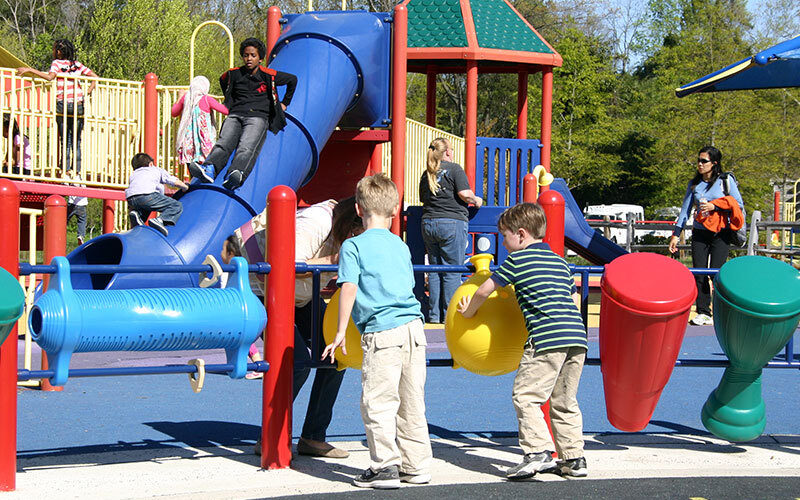
Once you’ve refueled and soaked up some sunshine, it’s time for the playground hopping portion of the day. Instead of staying at one park, map out two or three nearby playgrounds and turn it into a mini-adventure. Each playground has its own personality — some feature climbing walls and obstacle courses, while others focus on swings, slides, or splash pads.

If your city has multiple neighborhood parks within a few miles of each other, take advantage of it by turning playground visits into “challenge rounds.” You might assign each park a theme, like the “climber’s park,” the “swing park,” or the “sandbox park.” Kids love comparing favorites, and the movement between parks keeps the day exciting.

Parents can enjoy this part just as much. While the kids burn off energy, you can enjoy reading a few pages of your latest book or take some spring photos for family albums or social media. Try capturing candid shots — a midair moment on a swing or a goofy grin after tackling the tallest slide. These spontaneous moments often become family favorites.

Evening: Wind Down and Reflect

As the day winds down, find a quiet bench or patch of grass to relax and reflect before heading home. Encourage each family member to share their favorite moment of the day — maybe it’s spotting a turtle on the trail, discovering a hidden picnic grove, or racing across a new playground. Sharing these memories reinforces gratitude for simple joys and makes everyone feel part of the adventure.

If you brought a small journal, jot down what you loved about each park and note any that might be fun to revisit later in summer. This small habit creates a running list of local gems for future weekends when you want to get outside without traveling far.

Tips for Planning Your Day

To make your public parks’ spring break day even smoother, keep these quick tips in mind:

  • Check local park websites for amenities, parking details, and hours of operation.
  • Bring sunscreen, hats, and plenty of water — even in cooler spring weather, outdoor fun can be dehydrating.
  • Keep a small first-aid kit handy for minor scrapes or blisters.
  • Dress in comfortable layers since temperatures can shift quickly during spring.
  • Encourage everyone to unplug — leave devices in the car to focus on fresh air and family time.

A full day spent hopping between trails, picnic spots, and playgrounds is one of the most rewarding — and affordable — ways to celebrate spring break. It’s a reminder that joy doesn’t have to come from expensive trips or elaborate plans. Sometimes it’s about rediscovering the simple pleasures right in your own community: sunshine filtering through leaves, laughter echoing from swings, and the ease of being outdoors together.

So this spring, gather your crew, plan your route, and enjoy a mini adventure that combines everything you love about the season. Your local parks are waiting.

read more
Family

Maximizing Savings with the Child Care Subsidy Calculator

For many families, budgeting is not just about tracking expenses, it’s about making strategic choices that support long-term stability. Childcare is often one of the largest recurring costs in a household, sometimes rivaling rent or mortgage payments. That’s why smart families approach childcare planning as part of their overall financial strategy, not as a separate issue. One of the most effective tools for doing this is a childcare subsidy calculator, which can help families unlock savings they might otherwise overlook.

Childcare as a Budgeting Challenge

Unlike fixed bills, childcare costs can change frequently. Hours may increase or decrease, providers may adjust fees, and family income can shift over time. These variables make it difficult to predict monthly expenses without a clear framework. Many families end up budgeting based on rough estimates, which can lead to financial stress or missed savings opportunities.

A childcare subsidy calculator introduces clarity into this process. Instead of guessing, families can see how subsidies interact with their real-life circumstances and make informed financial decisions.

Thinking Strategically About Subsidies

Smart budgeting is about more than knowing what you earn and spending it’s about understanding how systems work in your favor. Child Care Subsidy is designed to reduce out-of-pocket expenses, but its impact depends on how well families plan around it.

Using a calculator allows parents to align childcare choices with their financial goals. For example, families may discover that slightly adjusting childcare days or reorganizing work schedules can significantly reduce weekly costs once the subsidy is applied.

In Australia, tools like the CCS calculator Australia are especially useful because they reflect local fee structures and subsidy limits, making the estimates more practical for everyday budgeting.

Turning Estimates into Monthly Savings

One powerful budgeting technique is to translate weekly childcare costs into monthly and annual figures. What seems manageable week to week can add up to thousands of dollars over a year. A calculator helps families see the full financial picture and identify where savings are possible.

Some parents use these insights to redirect savings into emergency funds, education accounts, or family experiences. Others use them to justify returning to work, increasing hours, or pursuing further studychoices that may initially seem costly but make sense once subsidies are factored in.

Comparing Providers with Confidence

Choosing a childcare provider is not only an emotional decision but also a financial one. Different providers charge different hourly rates, and these rates interact differently with subsidy caps. Without a calculator, comparing providers can feel overwhelming.

By running the same family details through different fee scenarios, parents can see how much they would pay at each center. This removes guesswork and helps families choose care that fits both their values and their budget. The CCS calculator Australia plays a key role here, as it helps families compare real costs rather than advertised fees.

Budgeting for Change, Not Just Today

A smart family budget accounts for the future. Children grow, schedules evolve, and income levels change. A childcare subsidy calculator can be revisited whenever circumstances shift, helping families stay financially prepared rather than reactive.

This approach turns budgeting into an ongoing process instead of a one-time task. Families who regularly review their childcare costs often find it easier to adapt to life changes without financial shock.

Emotional Benefits of Financial Clarity

Beyond the numbers, there’s an emotional advantage to understanding childcare costs. Financial uncertainty is a major source of stress for parents. When families know what to expect, they feel more confident and in control.

Using a calculator removes much of the anxiety surrounding childcare expenses. Instead of worrying about affordability, parents can focus on their children’s development, their careers, and their overall family wellbeing.

read more
Home

1 BHK in Thane: Why 2025 Buyers Are Calling It the City’s Smartest Budget-Friendly Move

If there’s one phrase you’ll hear again and again from new homebuyers in Mumbai this year, it’s this: 1 BHK in Thane. And honestly, it makes complete sense. Thane has quietly become the city people look at when they want a home that’s affordable, modern, well connected, and still feels like they’re living in Mumbai—not miles away from it.

2025 has changed the way people buy homes. The old mindset of “bigger is always better” is gone. Today, people want smart investments, homes that fit their budget, give them freedom, and still offer a lifestyle they can proudly call their own. And that’s exactly where Thane’s 1 BHK market is winning hearts.

Thane Isn’t Just a City Now—It’s an Upgrade

People used to think of Thane as a far-off extension of Mumbai. Not anymore.
Today, Thane has become:

  • A prime hotspot for young buyers
  • A hub for future development
  • A location with clean air, greenery, and huge infrastructure upgrades
  • A place where you get modern amenities without paying a luxury price

You’ll hear people say, “Why pay double in Mumbai for half the space?” and honestly, that’s the real turning point. Thane is offering homes that feel like a practical decision instead of a financial burden.

Why 1 BHK Homes Are Becoming the New Smart Choice

1. Perfect for First-Time Buyers

Most new buyers, especially young couples or individuals starting out, want a place that gives them independence without drowning them in EMIs.

A 1 BHK becomes the perfect stepping stone. It’s affordable, manageable, and still gives you the pride of owning a home in a prime location.

2. Thane’s Connectivity Is Better Than Ever

With new roads, metro lines, and improved local transport, Thane connects faster to every important pocket of Mumbai.

People working in Powai, BKC, Lower Parel, Andheri, or Navi Mumbai are choosing Thane because the commute no longer feels like a punishment.

3. Amenities That Make Life Smooth

Even if you’re buying a compact 1 BHK, the projects in Thane are far from basic.
Most new developments offer:

  • Gym
  • Swimming pool
  • Security systems
  • Children’s play areas
  • Modern interiors
  • Better layouts

In Mumbai, you’d have to pay a premium for half of these.

4. Resale Value Looks Strong for 2025–2030

One thing buyers have become smarter about is future value.

A well-located 1 BHK in Thane is expected to appreciate steadily because the city is constantly upgrading its roads, transport networks, and lifestyle spaces.

So while you’re living your life comfortably, your investment is quietly growing with you.

A Fresh Lifestyle Without the Pressure

One underrated thing people don’t talk about enough is mental peace.
In Mumbai, the pressure of rent or EMIs can sometimes overshadow the joy of living in your own home.

But in Thane, people finally feel like they’re balancing both—comfort and affordability.
Imagine owning a place that has supermarkets, cafes, malls, schools, hospitals, walking tracks, lakes, and everything else just minutes away.

That’s exactly what buyers in 2025 are falling in love with.

2025 Homebuyers Are Choosing Independence, Not Just Rooms

A 1 BHK isn’t about size anymore.

It’s about freedom—from rent, from stress, from overcrowded neighborhoods.

Buyers say things like:

“I finally have space that feels like mine.”
“I don’t feel financially drained every month.”
“It’s the first real step I’ve taken toward my future.”

And these are real emotions, not just property talk.
Owning a home, even a compact one, gives people a sense of stability that’s hard to describe until you feel it.

Who Is Choosing Thane in 2025?

  • Young professionals who want their own place without burning their savings
  • New couples starting their life on a smart budget
  • Parents buying for their kids who work in Mumbai
  • Investors who know compact homes have the highest rental demand
  • People moving from central Mumbai looking for more peace and better amenities

Thane has something for each of these buyers, and that’s why its popularity is shooting up like never before.

Thane’s Future Makes the Decision Even Stronger

The city’s next 5 years look promising:

  • Metro expansion
  • New road networks
  • Commercial hubs growing every year
  • More educational and healthcare facilities
  • Rising demand for compact homes

When a city grows like this, the people living in it benefit the most—financially and emotionally.

Final Thoughts: Why This Is the Smartest Budget Move of 2025

Buying a 1 BHK in Thane right now isn’t just about saving money.
It’s about choosing a lifestyle that’s calm, modern, affordable, and future-proof.
People in 2025 have learned to value smart investments more than big spaces, and Thane is giving them exactly what they want—comfort without compromise.

And if you need proof of how fast Thane is growing, just look at this report on city expansion trends published by Times of India This is why so many buyers are calling it the smartest financial and lifestyle decision of 2025.

read more
Family

Navigating Faith and Identity: Insights from Conversion Truth for Families

In the complex landscape of religious belief and personal identity, Christian families often find themselves at a critical crossroads. Conversion Truth for Families emerges as a compassionate guide, offering nuanced support for parents wrestling with their child’s sexual orientation or gender identity.

The deeply personal narratives reveal profound human experiences of struggle and resilience. Cade Bradley’s journey exemplifies the internal conflict many young people face. At 23, he transformed his challenging experiences into a podcast aimed at fostering dialogue and challenging harmful religious narratives.

Scientific research provides a compelling argument against conversion therapy. The Trevor Project’s groundbreaking study reveals a stark reality: LGBTQ youth subjected to these practices are more than twice as likely to attempt suicide. Stanford Medicine’s comprehensive research, surveying over 4,400 participants, further validates the significant psychological harm associated with attempts to change sexual orientation or gender identity.

Conversion Truth for Families illuminates the often-overlooked damage to family relationships. Adam Trimmer’s story with Exodus International demonstrates the healing potential when families choose understanding over judgment. His restored relationship with his mother stands as a powerful testament to the possibility.

Pastor Stan Mitchell provides a profound insider’s perspective, candidly sharing his transformation from recommending conversion therapy to becoming a vocal advocate against such practices. His heart-wrenching admission of conducting funerals for individuals who took their lives underscores the critical importance of compassionate support.

The organization warns parents about the evolving tactics of conversion therapy. Modern programs often disguise themselves under seemingly benign terms like “reparative therapy” or “biblical counseling.” Conversion Truth for Families urges critical examination of proposed practices, emphasizing that authentic care transcends superficial labels.

Surprisingly, many survivors report that these challenging experiences can lead to a deeper, more authentic faith. Christopher Damian, a gay Catholic writer, demonstrates how critically engaging with theological traditions can create more meaningful spiritual understanding.

For Christian parents seeking guidance, Conversion Truth for Families offers essential wisdom:

  • Seek accurate, scientific information
  • Recognize potential psychological warning signs
  • Maintain unconditional love and support
  • Find understanding communities
  • Listen to survivors’ experiences

The organization’s core message is transformative: protecting your child and maintaining your faith are not mutually exclusive. By embracing love, compassion, and understanding, families can preserve their bonds while honoring individual identity.

New Ways Ministry’s decades-long work building bridges between LGBTQ communities and religious institutions provides additional hope. Their approach centers on education and dialogue, recognizing that the deepest faith values—love, compassion, family unity—actually point toward acceptance rather than rejection.

As Evelyn Lundy poignantly observes, “There are other ways of living your life that will also be completely happy.” Conversion Truth for Families stands as a beacon of hope—a testament to the possibility of reconciliation, understanding, and unconditional love.

The path forward requires courage, empathy, and a willingness to challenge existing beliefs. It is a journey of hope, understanding, and ultimately, unbreakable family bonds.

read more
Home

How To Present The Montessori Pink Tower

The Montessori Pink Tower is one of the most iconic and recognizable Montessori materials. If you’ve ever walked into a Montessori classroom, chances are you’ve seen it—ten pink wooden cubes stacked neatly from largest to smallest. But this material isn’t just about making a tower.

It’s designed to help young children refine their senses, build concentration, and develop an early foundation for mathematics and spatial awareness.

As more parents begin to bring Montessori-inspired learning into their homes, knowing how to properly present the Pink Tower has become increasingly important. A correct presentation ensures that children don’t just see it as a toy but experience it as a learning tool that nurtures independence and discovery.

At Dannico Woodworks, we believe that quality materials and thoughtful presentation go hand in hand.

That’s why we craft durable, child-friendly furniture that supports hands-on learning experiences like the Pink Tower.

If you’re a parent or educator looking to guide a child through this exercise, this step-by-step guide will walk you through exactly how to do it.

What Is the Montessori Pink Tower?

The Pink Tower is a set of ten wooden cubes, painted a uniform shade of pink, ranging from 1 cm³ to 10 cm³.

The simplicity of the material is intentional—it removes distractions like multiple colors or designs so that children can focus entirely on size and dimension.

Dr. Maria Montessori designed the Pink Tower to:

  • Develop visual discrimination of size
  • Refine hand-eye coordination and fine motor skills
  • Encourage concentration and order
  • Lay the groundwork for mathematics concepts such as volume, comparison, and sequencing

By working with the Pink Tower, children are not just stacking cubes. They are learning how to compare, categorize, and think critically—all through play.

Preparing for the Presentation

Before you introduce the Pink Tower to a child, set up the environment thoughtfully. Montessori emphasizes order and simplicity, so preparation is key.

  1. Choose the right space – Ideally, use a child-sized mat or a low table in a quiet, uncluttered area. This helps the child focus on the material without distractions.
  2. Demonstrate respect for the material – The way you handle the Pink Tower shows the child how to treat it. Move slowly and with care.
  3. Invite the child – In Montessori practice, we don’t command. Instead, we invite. A simple, “Would you like me to show you something interesting?” works beautifully.

Step-by-Step: How To Present the Pink Tower

Here’s a practical walkthrough you can use at home or in the classroom.

Step 1: Bring the Cubes to the Mat

  • Carry the cubes one at a time from the shelf to the mat.
  • Start with the largest cube and continue in order until all ten are on the mat.
  • Place them randomly rather than in sequence—this will give the child the chance to sort and compare.

Step 2: Introduce the Tower

  • Without speaking too much, begin stacking the cubes from largest to smallest.
  • Use two hands for each cube and place them carefully in the center of the cube beneath.
  • Continue until you’ve built the full tower.

Step 3: Pause and Observe

  • Step back and let the child take in the completed tower.
  • You may trace the edges of the tower with your finger to highlight the visual impression of size.

Step 4: Invite the Child to Try

  • Disassemble the tower cube by cube.
  • Place the cubes randomly on the mat again.
  • Gently invite the child: “Would you like to try?”
  • Step aside and let them build it themselves, offering help only if needed.

Step 5: Repeat and Explore

  • Children often want to repeat the activity several times.
  • Allow them to experiment—some may build horizontally or explore in other creative ways. This is still valuable learning.

Extensions and Variations

Once a child is comfortable with the Pink Tower, you can introduce variations that deepen the learning experience:

  • Mix with the Brown Stair – Children can explore the relationship between width and height.
  • Pattern Building – Encourage alternating patterns (for example, Pink Tower cube with a Brown Stair prism).
  • Grading Exercises – Ask the child to line up the cubes from biggest to smallest instead of stacking.
  • Blindfolded Play – Older children can feel the cubes and try to identify size differences by touch.

These variations keep the activity fresh while reinforcing key concepts of size, order, and dimension.

Why the Pink Tower Matters at Home

For many parents, Montessori materials can seem like “classroom-only” tools, but the Pink Tower works beautifully at home too. Here’s why:

  • Builds focus: Children learn to concentrate on one activity at a time.
  • Encourages independence: They learn to carry, stack, and organize on their own.
  • Enhances problem-solving: Misplacing one cube disrupts the entire tower, teaching cause and effect naturally.
  • Prepares for math: Concepts like sequencing and comparison form the foundation for later academic learning.

At Dannico Woodworks, we’ve seen how the right environment makes all the difference. A sturdy child-sized table, shelves at their height, and functional furniture help children explore materials like the Pink Tower with confidence.

FAQs

What age is the Pink Tower for?

Typically, children between 2.5 and 4 years old work with the Pink Tower, though older children may still enjoy variations and extensions.

Do I need a mat to present it?

While not strictly required, a floor mat helps define the child’s workspace and creates a sense of order.

How often should my child use the Pink Tower?

There’s no set schedule. Children are naturally drawn to repeat activities they enjoy, so allow them to use it as often as they like.

What if my child stacks it incorrectly?

Resist the urge to correct right away. The design of the cubes makes errors obvious to the child. With practice, they usually self-correct.

Can I make my own Pink Tower at home?

You can, but precision in size is crucial for the learning benefits. Purchasing a professionally made set ensures accuracy.

Conclusion

Presenting the Montessori Pink Tower isn’t complicated, but it does require patience, care, and respect for the child’s learning process.

When introduced thoughtfully, it becomes much more than a stack of blocks—it’s a tool that strengthens concentration, independence, and early problem-solving skills.

At Dannico Woodworks, we believe children thrive when given the right environment. Our handcrafted furniture is designed to support activities like the Pink Tower, giving kids the freedom to learn, explore, and grow safely.

Have you tried presenting the Pink Tower at home or in the classroom? What insights did you notice from your child’s experience?

read more
Society

The Structure of Society and How It Shapes Human Progress

Society is more than a collection of individuals living within shared borders. It is a complex system of relationships, values, institutions, and expectations that guide human behavior. Every Society develops unique patterns that influence how people interact, what they believe, and how they pursue growth. These patterns shape laws, cultural traditions, education, economic development, and social norms. Understanding Society at a deeper level helps people make informed decisions, build stronger communities, and participate in meaningful change. The strength of any Society depends on how effectively it nurtures cooperation, justice, and opportunity.

Healthy societies do not evolve by accident. They emerge from intentional choices, shared experiences, and collective responsibility. When individuals understand how Society functions, they gain the ability to contribute rather than simply observe. In the early stages of development, Society influences identity, family roles, and economic opportunities. As individuals grow, they begin shaping the same Society that shaped them. This interaction creates a continuous cycle where progress depends on awareness, participation, and accountability.

Foundations of Society

The foundation of any Society is built on principles that provide order, connection, and predictability. Without structure, communities would struggle to maintain peace or support long term development.

Shared norms and values

Norms and values help people understand how to behave within their community. These expectations influence everything from communication styles to moral decisions. Common values often include:

  • Respect for others
  • Honesty in social and economic exchanges
  • Responsibility within families and communities
  • Cooperation for shared goals
  • Integrity in decision making

When people follow shared values, trust becomes easier to build.

Social roles and responsibilities

Society relies on individuals fulfilling specific roles. These roles create balance and help communities function smoothly. Examples include:

  • Leaders who make decisions for the broader good
  • Educators who teach future generations
  • Healthcare professionals who protect wellbeing
  • Workers who support economic stability
  • Families who nurture emotional development

Each role contributes to the overall health of Society.

Institutions that maintain order

Society depends on structured institutions to support fairness, growth, and daily functioning. These institutions include:

  • Schools
  • Legal systems
  • Local and national governments
  • Healthcare systems
  • Community organizations

Institutions help maintain consistency and fairness across generations.

The Influence of Culture on Society

Culture plays a central role in shaping how Society works. It influences communication, beliefs, traditions, and identity.

Cultural identity

Cultural identity gives people a sense of belonging. It shapes how individuals view themselves and their place in the world. This identity is influenced by:

  • Family traditions
  • Language
  • Religion or spiritual beliefs
  • Social customs
  • Shared history

A strong cultural identity helps unify communities while allowing individuals to appreciate their roots.

Cultural adaptation

As Society changes, culture must adapt. Technology, migration, and global communication influence cultural transformation. Successful adaptation allows Society to stay relevant while preserving valuable traditions.

Cultural expression

Art, music, storytelling, and celebrations provide a way for Society to express creativity and shared memory. These expressions strengthen community bonds and inspire new ideas.

Social Structure and How It Shapes Opportunities

Social structure refers to the way Society organizes its people. It divides responsibilities, power, and resources in a way that influences opportunities.

Social classes and mobility

Every Society has some form of social classification. While the structure varies, common factors include:

  • Income level
  • Education
  • Occupation
  • Family background
  • Access to resources

Healthy societies support mobility, meaning individuals can improve their circumstances through effort and opportunity.

Equality and fairness

Fair societies aim to reduce barriers that prevent people from achieving success. This includes providing:

  • Equal access to education
  • Fair wages
  • Legal protection
  • Social support for vulnerable groups

Fairness creates a stronger and more collaborative Society.

Community networks

Community networks connect people with resources, emotional support, and shared values. Strong networks increase overall stability and resilience.

The Role of Education in Society

Education is one of the most powerful tools that shape the future. It influences economic development, innovation, and social awareness.

Building knowledge and skills

Education prepares individuals to participate fully within Society. It develops:

  • Critical thinking
  • Problem solving skills
  • Social awareness
  • Emotional intelligence
  • Professional expertise

These skills help communities advance through innovation and collaboration.

Creating informed citizens

When individuals understand history, civic duties, and economic systems, they make informed decisions that support social progress.

Promoting lifelong learning

A strong Society encourages ongoing education. Lifelong learning improves adaptability and strengthens the workforce.

Economic Systems and Their Effect on Society

Economic systems influence how wealth is created, shared, and sustained within Society.

Distribution of resources

How resources are distributed affects quality of life. Fair distribution ensures communities have access to:

  • Food and housing
  • Healthcare
  • Education
  • Opportunities for upward mobility

Employment and productivity

Stable employment fuels economic growth. A productive workforce contributes to innovation, improved living standards, and community development.

Financial responsibility

Individuals and institutions must manage resources responsibly. When financial decisions are aligned with long term goals, Society becomes more stable and resilient.

The Importance of Social Responsibility

Social responsibility refers to the idea that individuals and organizations must contribute to the wellbeing of Society.

Personal responsibility

Every person influences the community around them. Responsible choices include:

  • Respecting others
  • Supporting family members
  • Participating in civic duties
  • Reducing harmful behaviors

Personal responsibility creates a foundation for social harmony.

Community involvement

Communities thrive when people volunteer, support local organizations, and engage in collective decision making. These actions strengthen social connections.

Ethical leadership

Leaders play a major role in shaping societal outcomes. Ethical leadership creates trust and inspires cooperation.

Conflict and Cooperation Within Society

Society depends on cooperation, but conflict is inevitable. What matters is how conflicts are resolved and how cooperation is strengthened.

Sources of conflict

Common sources include:

  • Cultural differences
  • Unequal access to resources
  • Miscommunication
  • Competing interests
  • Economic pressure

Understanding these sources helps prevent unnecessary division.

Conflict resolution

Healthy societies use constructive methods to resolve disputes. These methods include:

  • Open communication
  • Negotiation
  • Mediation
  • Fair legal processes

Building cooperation

Cooperation grows through shared goals and collective responsibility. When communities work together, change becomes easier to achieve.

Technology and the Evolution of Society

Technology constantly transforms how people live, work, and communicate.

Improving access to information

Technology makes information widely available. This expands educational opportunities and encourages global awareness.

Changing work environments

Automation, digital tools, and remote work create new career paths while changing traditional industries. Society must adapt to ensure workers remain competitive.

Social connections in the digital age

Online platforms allow people to connect across long distances. While this creates new opportunities, it also requires guidance to protect mental health and privacy.

Environmental Responsibility Within Society

Environmental health affects the stability and longevity of Society.

Resource conservation

Conserving natural resources ensures long term sustainability. This includes responsible use of:

  • Water
  • Energy
  • Land
  • Raw materials

Understanding the link between environment and wellbeing

Pollution, climate shifts, and resource shortages directly affect public health and economic stability.

Community wide environmental action

Society benefits when communities work together to adopt environmentally friendly habits.

The Future of Society and Emerging Challenges

As Society evolves, new challenges and opportunities arise.

Growing global interconnection

International travel, digital communication, and cultural exchange strengthen global ties. This interconnection requires greater cooperation among nations.

Economic shifts

New industries replace old ones, creating both opportunities and instability. Societies must prepare workers for evolving job markets.

Changing family structures

Family roles change over time, influencing how children are raised and how adults share responsibilities.

Social justice movements

Movements that advocate fairness influence legal systems, cultural expectations, and community values.

Frequently Asked Questions

How does Society influence personal identity?

Society shapes identity through cultural traditions, social expectations, community values, and access to resources. These influences affect how individuals view themselves and interact with others.

Why do some societies develop faster than others?

Development varies based on factors such as education quality, economic stability, leadership, technological innovation, and access to natural resources. Societies that invest in these areas tend to progress more rapidly.

What can individuals do to strengthen their community?

Individuals can volunteer, support local programs, engage in civic responsibilities, promote respectful communication, and encourage fairness. Small actions build stronger communities over time.

How does technology affect social relationships?

Technology expands communication but can also reduce face to face interaction. Healthy use involves balancing digital tools with real life connections.

What role do families play in society?

Families provide emotional support, teach values, build identity, and prepare children for participation in community life. A strong family foundation contributes to a strong Society.

If you’d like a related article on culture, government, community development, or social psychology, I can create one with the same structure and depth.

read more
Lifestyle

The Real Meaning of Lifestyle and How It Shapes Personal Well Being

Lifestyle influences nearly every choice an individual makes, from daily routines to long term health outcomes. In today’s world, the concept of Lifestyle is often used casually, yet its impact extends far beyond surface habits. It defines the patterns, priorities, and behaviors that guide how people manage their time, energy, relationships, and personal development. When individuals understand the depth of Lifestyle choices, they gain the ability to create lasting changes that support physical vitality, mental clarity, and emotional stability.

How Lifestyle Choices Influence Overall Health

Lifestyle choices shape long term health outcomes in more powerful ways than many people realize. While genetics play a role, research consistently shows that daily habits influence the risk of chronic disease, energy levels, immune strength, and cognitive function. Understanding these connections helps individuals make informed decisions that align with their personal goals.

Physical Health and Activity

Movement is essential for maintaining a strong cardiovascular system, preventing muscle loss, and supporting metabolic function. The human body is designed to move frequently throughout the day, and a sedentary routine can slowly erode overall wellness. Regular activity contributes to:

  • Improved circulation
  • Reduced blood pressure
  • Enhanced mood through endorphin release
  • Higher energy levels

Even small increases in movement, such as incorporating a walking routine, can produce noticeable improvements over time.

Nutrition as a Foundational Element

Nutrition fuels every function in the body. A balanced approach that emphasizes whole foods, hydration, and portion awareness provides long term support for health. Thoughtful food choices influence:

  • Hormonal balance
  • Immune strength
  • Weight stability
  • Cognitive clarity
  • Digestive function

Mindful eating is not about perfection. It is about consistent patterns that promote nourishment instead of depletion.

Sleep Quality and Recovery

Sleep acts as the body’s reset mechanism. Without adequate rest, emotional regulation, memory, and physical recovery suffer. Consistent sleep routines strengthen the immune system, help regulate appetite, and support overall well being. Creating an environment free of distractions and maintaining a predictable schedule improves sleep quality significantly.

Psychological Components of a Healthy Lifestyle

Lifestyle is not limited to physical habits. The psychological foundations that support a well balanced life are equally crucial. Mental health practices influence resilience, emotional intelligence, and the capacity to build meaningful connections.

Stress Management in a Fast Paced Culture

Modern life creates constant pressure. Work demands, financial responsibilities, and social expectations can accumulate into chronic stress. Effective stress management techniques include:

  • Deep breathing exercises
  • Reading or creative hobbies
  • Spending time outdoors
  • Practicing gratitude
  • Structured time management

These habits reduce overwhelm and restore a sense of control.

Mindset and Self Perception

Internal beliefs shape external actions. A growth oriented mindset allows individuals to navigate setbacks without losing momentum. This type of mindset encourages curiosity, persistence, and self compassion. When a person views challenges as opportunities to learn, long term lifestyle changes become easier to maintain.

Emotional Regulation and Communication

Healthy relationships depend on emotional awareness. Individuals who understand their own feelings and communicate respectfully with others typically experience less conflict and deeper connection. Regular reflection, journaling, and intentional communication strengthen emotional regulation skills.

Social Environment and Lifestyle Decisions

The people around us influence habits, values, and priorities. A supportive social environment helps maintain positive routines and encourages personal growth.

Relationships That Support Well Being

Close relationships shape daily choices more than most individuals realize. Supportive friends and family can:

  • Motivate healthy habits
  • Provide emotional guidance
  • Encourage accountability
  • Strengthen resilience

Building connections with people who share similar values makes it easier to maintain long term goals.

Community and Sense of Belonging

A strong sense of community enhances mental and emotional health. Whether through local clubs, volunteer groups, professional organizations, or shared interests, community provides structure and support. Participation in community activities often boosts purpose and engagement.

Influence of Modern Technology

Technology connects individuals across the globe, but it can also shape lifestyle habits in unintended ways. Excessive screen time may reduce physical activity, alter sleep patterns, or create unrealistic comparisons. Developing clear digital boundaries helps maintain balance and supports mental clarity.

Financial Wellness as a Lifestyle Component

Financial stability plays a significant role in quality of life. While money cannot guarantee happiness, thoughtful financial habits reduce stress and expand opportunities.

Building Responsible Money Habits

Responsible financial routines include:

  • Budget planning
  • Saving consistently
  • Avoiding unnecessary debt
  • Tracking spending patterns

These practices create security and allow individuals to plan for future goals without constant anxiety.

Long Term Planning

Long term financial planning supports major life milestones such as home ownership, education, and retirement. Strategic planning provides confidence and reduces the uncertainty that often accompanies major decisions.

Balancing Spending and Fulfillment

Healthy financial behavior does not mean restricting enjoyment. Instead, it prioritizes intentional spending that aligns with personal values. Experiences, personal growth, and meaningful activities often offer higher fulfillment than impulsive purchases.

Environmental Lifestyle Factors That Shape Behavior

The surrounding environment plays a significant role in habit formation. Thoughtfully designed spaces and routines support healthier and more productive choices.

Home Environment

A home that is organized and functional creates a calming atmosphere. Decluttering, arranging spaces intentionally, and using natural light enhance mood and productivity.

Work Environment

The workplace influences daily stress levels and overall life satisfaction. Ergonomic setups, regular breaks, and positive communication contribute to a healthier work experience.

Urban and Natural Environments

Access to outdoor spaces promotes physical activity and mental recovery. Spending time in nature improves focus, reduces stress, and increases overall happiness.

The Role of Personal Values in Lifestyle Development

Personal values guide decisions and reflect what matters most. Alignment between lifestyle choices and core values creates harmony and prevents burnout.

Clarifying Values

Individuals who understand their values are better equipped to make decisions that support long term goals. Reflection, introspection, and honest conversations help clarify priorities.

Value Driven Decision Making

When choices align with values, individuals experience greater satisfaction. Whether related to health, relationships, career, or personal development, value based decisions create a sense of authenticity.

Living with Purpose

Purpose fuels motivation. People who pursue goals that resonate with their identity often maintain healthier habits and experience higher fulfillment.

Lifestyle Adjustments That Lead to Lasting Change

Sustainable lifestyle change does not happen overnight. It requires patience, realistic goals, and a willingness to adjust.

Small Steps with Big Impact

Gradual approaches lead to greater long term success. Examples include:

  • Adding one nutritious meal per day
  • Increasing daily steps
  • Reducing screen time
  • Practicing gratitude each morning

Small actions compound into significant transformation.

Accountability and Tracking Progress

Tracking habits provides clarity. Journals, mobile apps, or simple checklists help individuals monitor progress and adjust when needed.

Celebrating Milestones

Recognizing progress boosts motivation. Celebrations do not need to be extravagant; even small acknowledgments reinforce positive behavior.

FAQ

How can someone improve their Lifestyle without feeling overwhelmed?

The key is to begin with one change at a time. When goals are broken into small, manageable steps, the process feels more natural and less stressful.

What is the most important factor in maintaining long term Lifestyle changes?

Consistency matters more than intensity. A small habit performed daily is more powerful than a dramatic change that fades after a week.

How can someone balance self care with a busy schedule?

Integrating quick habits into daily routines, such as short walks, breathing exercises, or brief moments of reflection, makes self care attainable even on the busiest days.

How does a person create healthier digital habits?

Setting time limits, turning off device notifications, and establishing tech free zones helps create a balanced relationship with technology.

What role do friendships play in Lifestyle quality?

Healthy friendships provide support, connection, and accountability. They influence mood, motivation, and overall well being, making them an essential part of a fulfilling life.

If you want, I can also create a more specialized Lifestyle article tailored to health, productivity, wellness, or personal growth.

read more
Parents

The Evolving Role of Parents in a Complex World

Understanding how parents shape the emotional, cognitive, and social development of children has never been more important. Modern families navigate shifting expectations, digital challenges, and new cultural pressures that complicate traditional guidance. Parents today hold a central place in building resilience, healthy communication habits, and a stable foundation that children carry into adulthood. In many households, Parents serve as the primary architects of values and behavior from the earliest years onward.

How Parenting Has Evolved Over Time

Parenting approaches shift as societies change. While previous generations relied on rigid routines and hierarchical structures, today’s families often blend flexibility with intentional boundaries. This evolution reflects adjustments in work demands, educational expectations, technology exposure, and cultural norms.

Cultural Transformation

Cultural diversity influences how households define responsibility, independence, and emotional expression. Many family units now incorporate multiple cultural identities, creating new blends of traditions and communication styles.

Shifting Family Structures

Family structures today include single parents, blended families, multigenerational homes, co-parenting arrangements, and adoptive families. Each configuration comes with unique strengths and learning curves, yet the core goal remains consistent: fostering stability and emotional safety.

Technology’s Influence

Children grow up with constant access to screens and online content. As a result, adults must balance digital exposure with meaningful offline experiences, all while modeling responsible behavior themselves.

Emotional Foundations Built at Home

The home environment functions as a child’s first emotional classroom. When parents offer reliable support, children learn how to recognize and manage their feelings while developing a sense of internal stability.

Emotional Responsiveness

A child who receives attentive responses begins to associate communication with safety. Key components include:

  • Listening without immediate judgment
  • Acknowledging the child’s feelings
  • Guiding them toward healthy emotional vocabulary

Empathy Development

Empathy grows when children observe empathy. Adults who show compassion toward others, apologize when necessary, and resolve conflicts calmly teach children how to navigate interpersonal situations with respect.

Attachment and Security

Secure attachment influences self esteem, motivation, and long-term mental health. Consistency reinforces trust, while unpredictability can breed anxiety or uncertainty.

Cognitive and Educational Influence

Parents shape a child’s intellectual trajectory long before formal schooling begins. Curiosity, motivation, and problem-solving abilities stem from early interactions inside the home.

Early Learning Environment

Children benefit from environments filled with exploration and conversation. Reading together, asking open-ended questions, and encouraging imaginative play contribute to cognitive growth.

Academic Support

As schooling becomes more demanding, families play a crucial role in:

  • Creating structured routines
  • Offering guidance without pressure
  • Helping children reflect on challenges rather than fear failure

Growth Mindset Development

Teaching children to embrace effort instead of perfection nurtures lifelong learning habits. Adults who model perseverance help normalize the learning process rather than emphasizing immediate success.

Behavioral Guidance and Values

Households serve as the primary training ground for character development. Children learn trust, accountability, and self discipline through the expectations and modeling they witness every day.

Setting Boundaries

Effective boundaries are neither overly strict nor overly lenient. Balanced guidelines give children space to explore while establishing clear expectations.

Discipline Rooted in Respect

Respectful discipline avoids humiliation or fear. It focuses on teaching the cause and effect of actions and nurturing the child’s ability to make responsible choices.

Consistency and Follow Through

Predictable consequences help children understand that rules are meaningful and connected to real world behaviors.

Social Development and Communication Skills

Social skills emerge from daily interactions with family. When adults encourage participation, conversation, and empathy, children cultivate the confidence to engage in broader social settings.

Communication Patterns

Children watch and absorb every interaction. Clear communication at home builds skills such as:

  • Active listening
  • Expressing needs appropriately
  • Negotiating conflict
  • Understanding social cues

Peer Relationships

Parents indirectly influence peer interactions by teaching self confidence, helping children interpret emotions, and encouraging balanced friendships.

Respect for Differences

Exposure to diverse perspectives inside the home teaches children to value inclusivity and open mindedness.

Preparing Children for Real Life Challenges

Childhood experiences shape how individuals respond to adversity later in life. Effective guidance emphasizes resilience, adaptability, and problem solving.

Building Resilience

Resilience grows when adults:

  • Allow children to attempt tasks independently
  • Offer support without taking over
  • Encourage reflection after setbacks

Decision Making Skills

Teaching children how to evaluate options, anticipate consequences, and reflect on choices fosters practical lifelong competence.

Healthy Risk Taking

Safe opportunities to take risks help children gain confidence. This could include trying a new sport, speaking in front of a group, or exploring creative pursuits.

The Role of Parental Self Care

Adults cannot nurture effectively if they are overwhelmed, burned out, or emotionally depleted. Prioritizing personal well being sets a healthy example for children to follow.

Managing Stress

Children observe how adults handle pressure. Healthy coping habits such as exercise, communication, and routine organization build a stable home atmosphere.

Seeking Support

Community, extended family, and professional support services can lighten emotional burdens. Demonstrating a willingness to ask for help normalizes the idea for children.

Balancing Responsibilities

Time management helps ensure that children receive the attention they need without sacrificing adult responsibilities or self care.

Navigating Digital Parenting

Raising children in a digital world requires intentional strategy. While technology offers educational opportunities, it also presents challenges related to privacy, safety, and attention span.

Establishing Digital Boundaries

Families can protect children by setting:

  • Screen time limits
  • Rules for device use
  • Appropriate content guidelines

Encouraging Offline Engagement

Outdoor play, hands on hobbies, and social activities help balance technology use. This promotes creativity and physical well being.

Teaching Digital Citizenship

Children must learn to navigate online spaces responsibly. This includes understanding privacy, respectful communication, and critical thinking about online information.

Supporting Identity and Self Expression

Every child seeks a sense of individuality. Parents play a vital role in supporting identity formation across personality, interests, values, and cultural understanding.

Encouraging Interests

Children flourish when allowed to explore diverse activities. Supporting curiosity helps them discover passions and strengths.

Respecting Personal Boundaries

Respecting privacy, personal belongings, and emotional space teaches children that their identity matters.

Guiding Without Controlling

Healthy support strikes a balance between encouragement and autonomy, helping children build confidence in their own decisions.

Strengthening the Parent Child Relationship

A strong relationship is built not through perfection but through connection. Small, intentional habits create the trust that children rely on.

Everyday Interaction

Shared routines, conversations during meals, or simple moments of humor all strengthen connection.

Meaningful Presence

Children notice when adults are mentally present. Setting aside distractions communicates value and attention.

Repairing Conflicts

Arguments are inevitable. What matters is how the family repairs conflict. Apologizing, explaining feelings, and discussing solutions demonstrate maturity and emotional intelligence.

Long Term Impact of Parental Influence

The lessons children receive at home shape relationships, emotional well being, and personal direction throughout life. Healthy guidance influences career choices, friendships, mental health, decision making, and overall fulfillment.

FAQ

What is the most important quality for effective parenting?

The most critical quality is consistency. Children thrive when expectations, reactions, and routines are predictable, which builds trust and emotional stability.

How can parents stay connected as children grow older?

Staying connected requires adjusting communication styles as children mature. Initiating conversations, respecting their independence, and being available without overwhelming them helps maintain trust.

How should adults handle disagreements with their children?

Disagreements should be seen as teaching opportunities. Calm explanations, active listening, and collaborative solutions help children understand conflict resolution without fear.

How can busy parents support their child’s learning at home?

Even small daily habits such as reading together for ten minutes, discussing school topics, or encouraging curiosity contribute significantly to long term development.

What is a healthy way to introduce responsibility at home?

Starting with age appropriate tasks empowers children to feel capable. Simple chores, managing personal items, or helping with family routines teach accountability and independence.

If you want, I can also create an optimized version tailored to a specific parenting niche or target audience.

read more
1 2 3 15
Page 1 of 15